
Everything You Need to Know About Restoring a Damaged Dental Cap

What Affects the Cost of Dental Crown Repair?
The cost of dental crown repair depends on what happened to the cap and the tooth beneath it. A loose crown may only need to be re-cemented. A badly cracked crown, or one with decay underneath, may need to be replaced. An exam can show which fix is safe and whether other treatment will add to the cost.
If your crown has come off, keep it and avoid chewing on that side until a dentist can check it. At Logan Dental Care, a family-focused practice at 1021 N. Main Street in Bellefontaine, Ohio, we help patients from Bellefontaine and surrounding Logan County communities understand their options. We are accredited members of the American Dental Association and the Ohio Dental Association and hold an A+ BBB rating.
We’re the Logan Dental Care Team, and we’ll walk you through what can affect your bill.
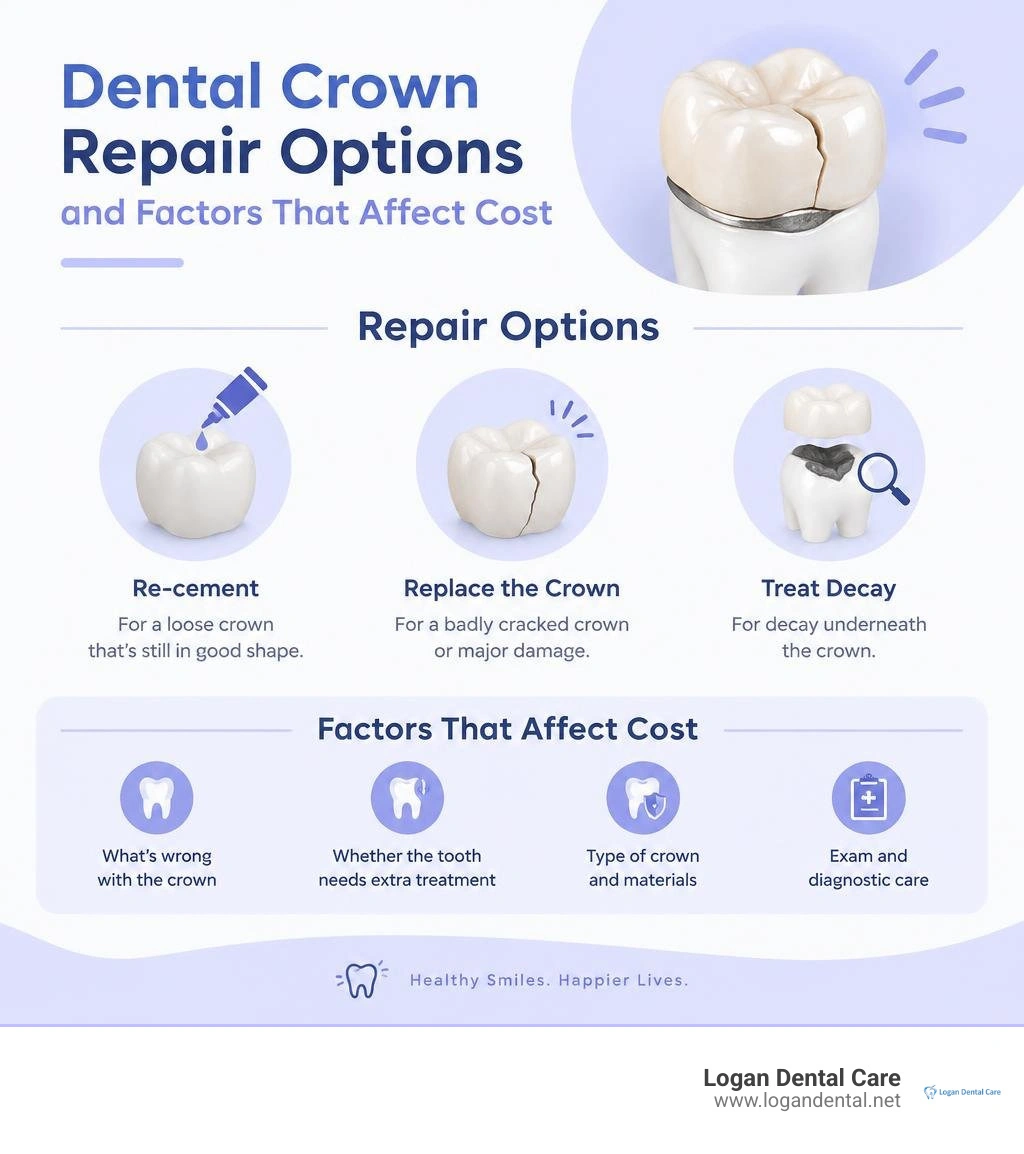
Cost of dental crown repair terms to know:
Understanding the Cost of Dental Crown Repair: Repair vs. Replacement
When a restoration chips, cracks, or pops off entirely, determining whether you need a simple fix or a full replacement is the first step in estimating your expenses. While a crown acts like a custom helmet protecting your natural tooth, everyday chewing forces, teeth grinding, or accidental trauma can compromise its integrity over time.
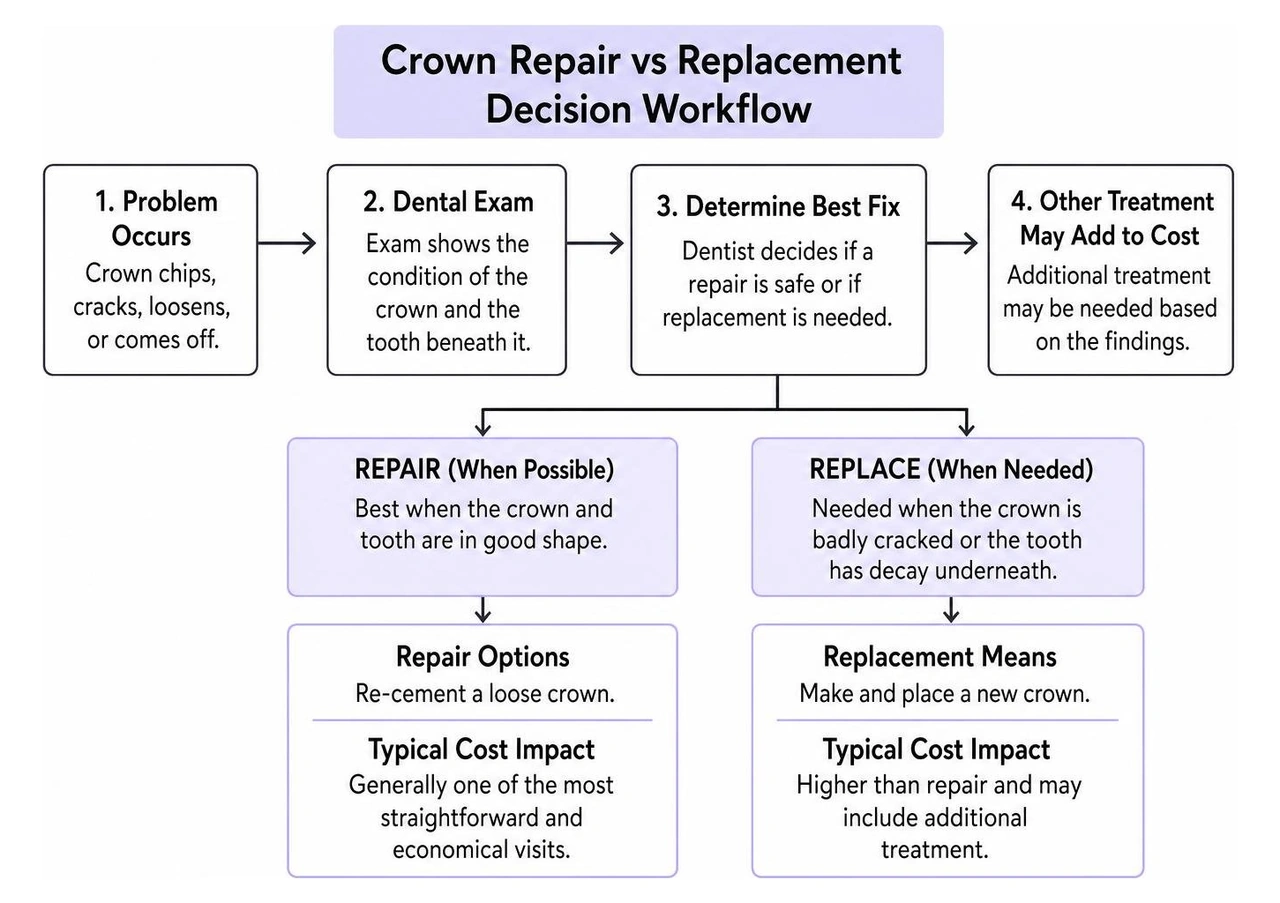
According to scientific research on restoration repair, preserving as much natural tooth structure as possible through conservative repairs can often be a highly effective treatment path. However, the exact condition of the underlying tooth determines the appropriate clinical solution.
Minor Cap Fixes and Re-Cementing Expenses
If your existing crown is fully intact and the natural tooth underneath is healthy, your visit may simply involve cleaning the area and using fresh dental cement to bond it securely back in place. Re-cementing is generally one of the most straightforward and economical restorative visits.
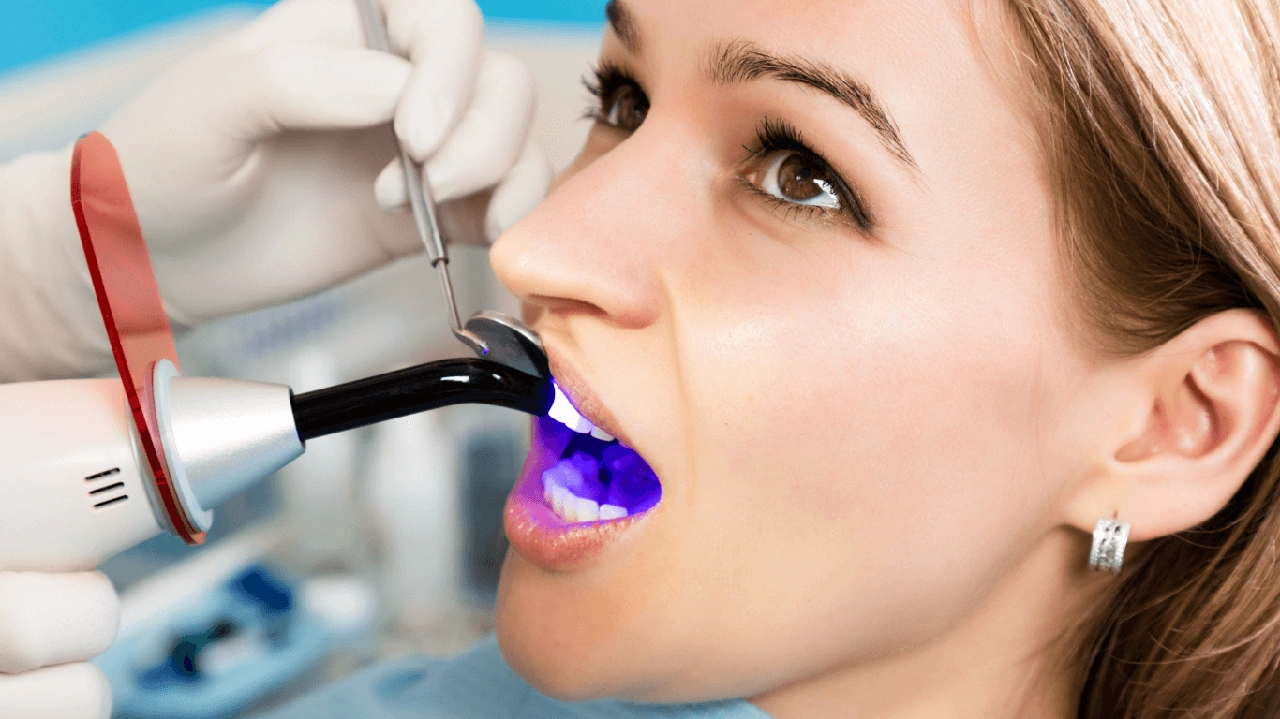
In cases involving minor surface chips on porcelain or ceramic caps that do not compromise the structural fit, your dentist might use tooth-colored resin to smooth out rough spots. Exploring dental bonding enhancing your smile with a simple procedure can help you understand how composite materials repair small chips without requiring a whole new cap.
Factors Determining the Cost of Dental Crown Repair and Replacement
When a crown cannot be re-cemented or bonded, fabricating a new restoration becomes necessary. Key factors influencing your total investment include:
- The extent of damage: Deep fractures through the body of the crown leave the underlying tooth exposed to oral bacteria.
- Underlying tooth decay: If recurrent decay has developed along the margin where the crown meets the gumline, that decay must be cleared away before a new restoration can sit flush.
- Structural loss: When addressing situations like half broken molar tooth repair, the tooth often requires specialized restructuring to hold a restoration firmly.
- Diagnostic requirements: Evaluating the root health through digital imaging ensures no hidden infection threatens the tooth.
Understanding what goes into a broken molar repair cost helps provide clarity on how structural issues change overall treatment planning.
Material Types and Additional Procedures That Impact Overall Costs
The materials used for your restoration and any preparatory treatments directly influence the overall scope of your care. Selecting the right cost of tooth cap involves balancing aesthetics, biting strength, and long-term durability.
Comparing Ceramic, Porcelain, and Metal Materials
Different teeth handle different jobs in your mouth. Front teeth require lifelike translucency, while back molars bear hundreds of pounds of daily biting pressure:
- All-Ceramic and Porcelain: A ceramic teeth cap delivers lifelike aesthetics by matching your neighboring teeth seamlessly, making it ideal for visible smile areas.
- Zirconia: Zirconia combines the aesthetic appeal of ceramics with the exceptional fracture resistance of metals, standing up well against heavy chewing forces.
- Porcelain-Fused-to-Metal (PFM): PFM crowns provide a strong metal substructure topped with tooth-colored porcelain, balancing strength with a natural appearance.
- All-Metal Alloys: Gold and metal alloys offer maximum durability with minimal wear on opposing teeth, making them excellent choices for back molars where visibility is low.
When planning your smile's restoration, looking at the overall crown teeth cost factors helps balance these material characteristics with your budget.
Diagnostic Imaging, Core Buildups, and Root Canals
A crown is only as stable as the foundation underneath it. If the tooth has suffered extensive trauma or deep decay, supplementary care may be required before placing the final cap.
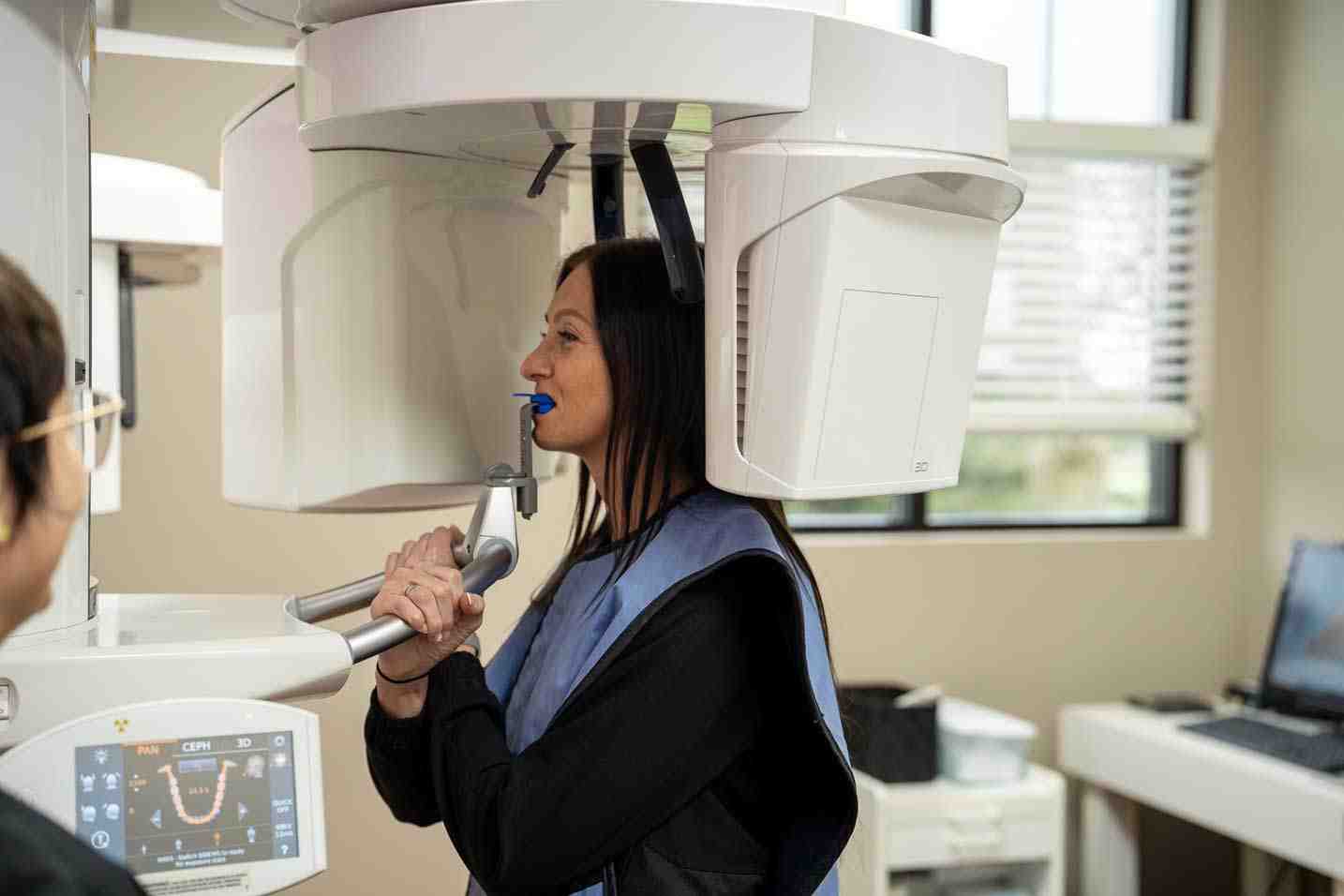
- Diagnostic Imaging: Digital X-rays or cone-beam imaging allow your dentist to inspect the root canals and jawbone health.
- Core Buildups: If substantial natural tooth structure has broken away, a composite core buildup reconstructs the missing anatomy so the crown has sufficient surface area to grip.
- Root Canal Therapy: When trauma or bacteria inflame the nerve inside the tooth pulp, endodontic therapy clears out the infection to prevent pain and tooth loss.
Reviewing your guide to root canals and crowns offers insight into how these restorative treatments work hand-in-hand to preserve your natural smile.
What to Do When a Crown Breaks and How to Manage Expenses
A dislodged or fractured crown can feel alarming, but staying calm and taking the right immediate steps protects your oral health and prevents additional expenses.
Immediate Actions Before Seeing a Dentist
Following proper emergency guidance for lost dental crowns ensures you protect both the restoration and the exposed tooth:
- Locate and protect the crown: Safely store the dislodged cap in a clean, rigid container to bring to your appointment.
- Never use household glue: Superglue and craft glues contain harsh chemicals that damage oral tissues and destroy tooth enamel.
- Protect the exposed tooth: If the tooth is sensitive, clean the area gently and use a temporary over-the-counter dental cement kit from your local pharmacy as a short-term shield.
- Avoid chewing on that side: Keep hard, crunchy, or sticky foods away from the exposed tooth.
- Call for an urgent evaluation: Contact your dental team promptly to schedule an exam.
Reducing the Cost of Dental Crown Repair Through Insurance and Savings Plans
Understanding how your benefits apply can significantly reduce out-of-pocket costs:
- Dental Insurance: Many dental policies classify crown replacements as major restorative care, frequently covering a substantial percentage of the treatment once your annual deductible has been met. Checking the details of your cost of a crown with dental insurance helps clarify coverage percentages, annual maximums, and replacement waiting periods.
- In-House Membership Plans: For patients without private insurance, programs like our smile protection savings plan provide routine preventive care along with direct discounts on restorative procedures, including crowns and repair visits.
- Health Savings Accounts (HSA/FSA): Utilizing pre-tax dollars from an HSA or FSA account is another practical way to manage restorative care expenses.
Frequently Asked Questions About Dental Crown Repair
How long does a repaired or replaced dental crown typically last?
A well-crafted dental crown typically lasts 10 to 15 years, and often much longer with diligent oral hygiene. Practicing daily brushing, flossing, wearing a custom nightguard if you grind your teeth, and attending regular cleanings will maximize the lifespan of your restoration.
Can a dentist fix a chipped porcelain crown without replacing it?
Yes, minor surface chips can often be smoothed down or repaired using composite dental bonding resin. However, if the chip extends into the metal or zirconia core, or compromises how your upper and lower teeth meet when chewing, fabricating a new crown is usually the safest long-term recommendation.
Does dental insurance cover the cost of repairing or replacing a crown?
Most dental insurance plans provide coverage for crowns that are medically necessary due to decay, fracture, or structural breakdown. However, cosmetic repairs may not be eligible, and policies often feature a replacement clause stating a crown must be a certain age (commonly 5 to 8 years old) before insurance will cover a new one on that same tooth.
Conclusion
Protecting your smile against pain and infection starts with taking prompt action whenever a dental restoration becomes loose, cracked, or chipped. For more comprehensive details on materials, procedure timelines, and restorative planning, explore our dental crowns cost complete guide.
Logan Dental Care is a family-focused dental practice located at 1021 N. Main Street in Bellefontaine, Ohio, serving Bellefontaine and surrounding Logan County communities. Logan Dental Care is an accredited member of the American Dental Association and the Ohio Dental Association, and holds an A+ BBB rating.
Our practice provides general and preventive dentistry, family dentistry, cosmetic dentistry (teeth whitening, veneers, smile makeovers), orthodontics (Invisalign and traditional braces), restorative dentistry (implants, crowns, bridges), emergency dental care (including same-day and outside standard business hours availability), the Smile Protection Savings Plan (in-house membership for uninsured patients), and custom nightguards/mouthguards. Please note that Logan Dental Care does not offer payment plan options and does not offer sedation dentistry.
If you suspect your crown is loose, damaged, or causing discomfort, reach out to our friendly team today to schedule an evaluation and get your smile back to feeling strong and healthy!