
Understanding What Goes into Orthodontic Treatment Costs Today
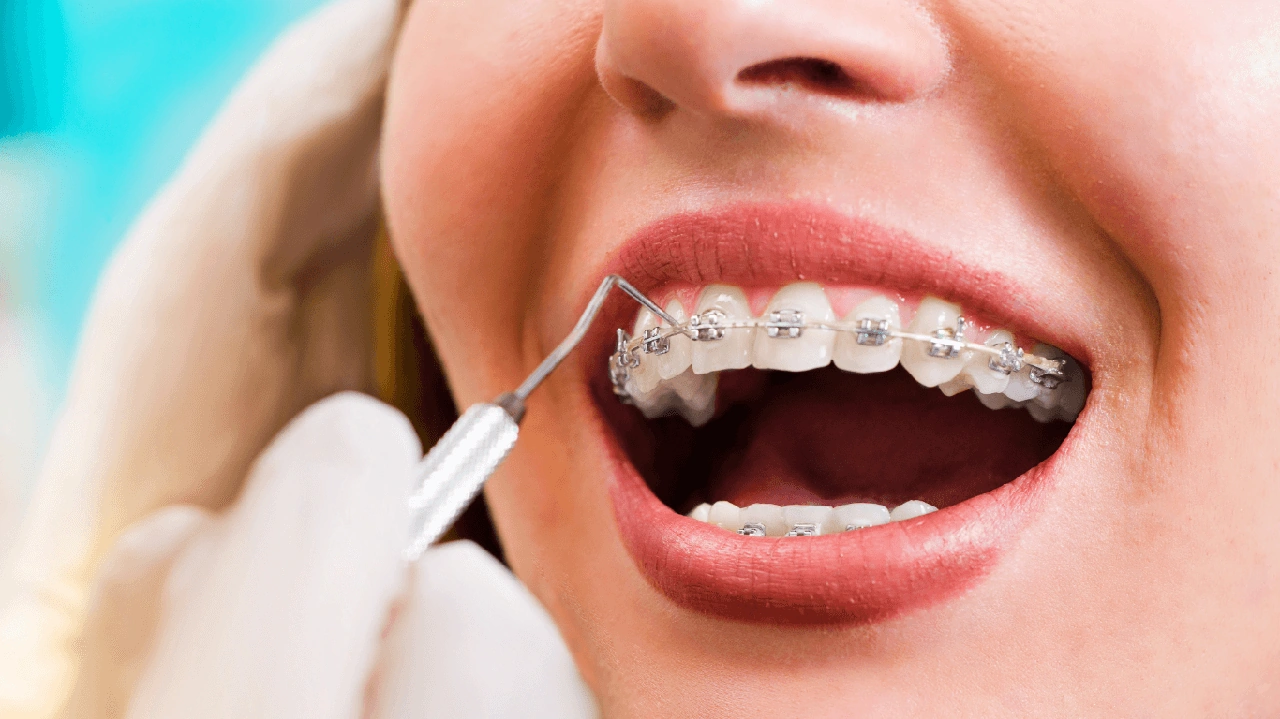
What Goes Into Traditional Braces Cost?
Traditional braces cost depends on the correction your teeth and bite need, how long treatment may take, what the quoted fee includes, and whether insurance helps pay. Metal braces are often less expensive than ceramic braces, but their cost can overlap with Invisalign. The best way to compare your options is to ask for a written estimate that explains the full treatment cost, including visits and retainers.
We’re the Logan Dental Care Team, and we help families in Bellefontaine and nearby Logan County communities understand their orthodontic options at our practice on 1021 N. Main Street.
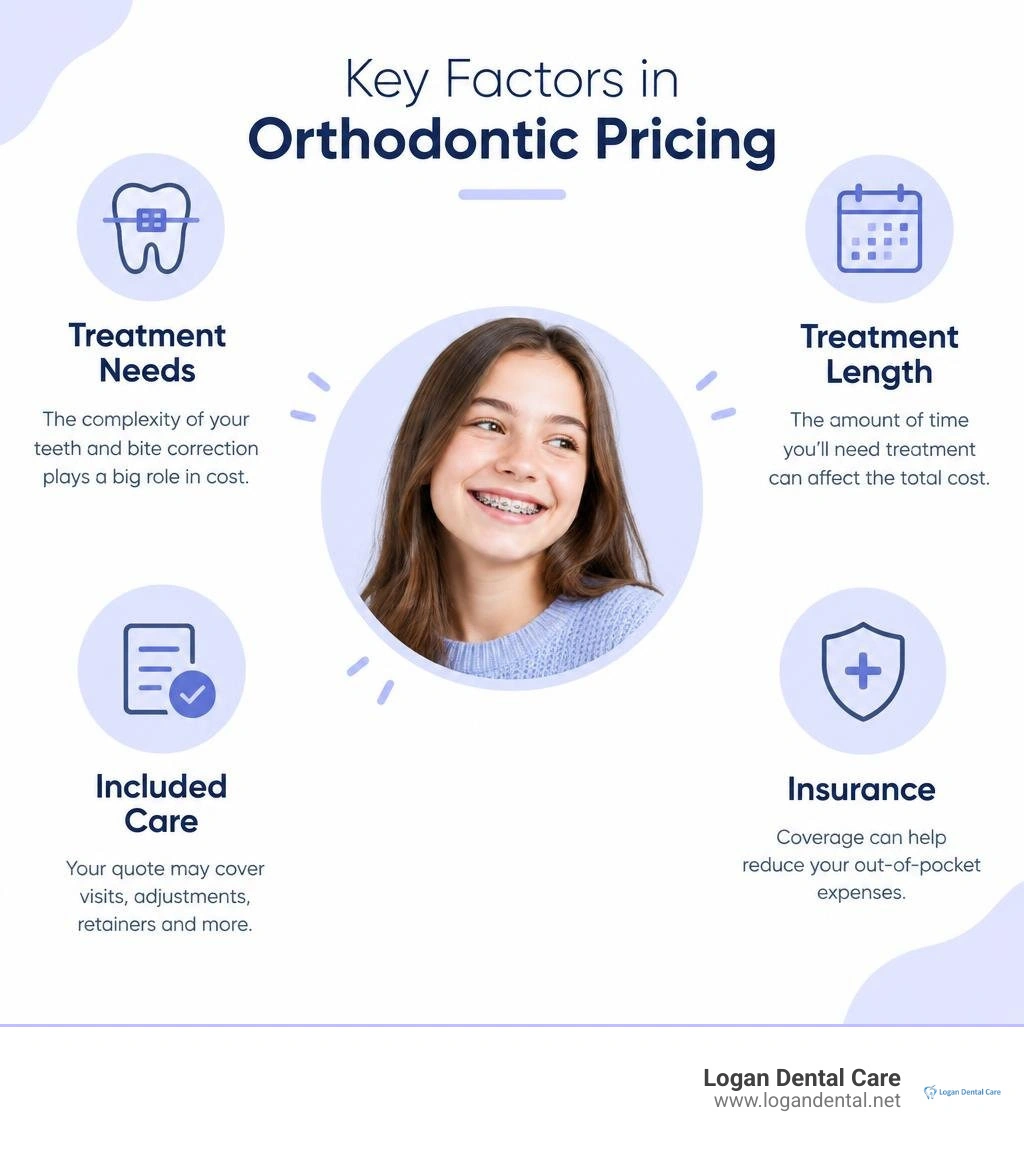
Key traditional braces cost vocabulary:
Breaking Down the Average Traditional Braces Cost in 2026

When planning for orthodontic care, understanding how much do braces cost is usually top of mind for families. Traditional metal braces remain the time-tested standard of orthodontic treatment. They use medical-grade stainless steel brackets, flexible archwires, and tiny elastic bands to guide teeth gradually into proper alignment.
A comprehensive treatment quote generally covers the entire orthodontic journey. This includes the initial bonding appointment, regular adjustment visits every four to eight weeks, emergency repairs for loose brackets, and the removal appointment. Standard national care guidelines from resources like Oral-B's braces cost overview highlight that high-grade materials and comprehensive monitoring ensure long-term stability and bite function.
Factors That Influence Traditional Braces Cost
Every smile is completely unique, which means the financial investment reflects several key clinical factors:
- Severity of Malocclusion: Mild cosmetic spacing or minor crowding requires fewer adjustments than complex bite corrections involving severe overbites, underbites, crossbites, or impacted teeth.
- Treatment Duration: Standard cases usually range from 18 to 24 months. More complicated corrections take longer, requiring more clinical time and supplies, which shifts the overall types of braces and cost considerations.
- Compliance and Oral Health: Broken brackets from sticky foods or missed appointments can extend treatment time and increase overall expenses.
- Geographic Practice Factors: Operating expenses, local overhead, and regional laboratory fees naturally shape fees from one community to another.
Age Considerations: Pediatric vs Adult Treatment Expenses
Orthodontic treatment works wonderfully at any stage of life, but age plays a role in treatment planning and expense.
For younger patients, interceptive care can take advantage of active jaw growth. Guiding developing bone structures makes moving teeth more predictable. Starting braces for kids around ages 10 to 14 often leads to efficient treatment timelines, as detailed in Dentaly's pediatric orthodontic guide.
Evaluating adult braces cost involves different biological factors. Because adult facial bones are fully set and bone density is higher, tooth movement can take slightly longer. Adults may also present with preexisting dental work, worn enamel, or missing teeth that require extra planning alongside general restorative dentistry.

Comparing Orthodontic Options: Metal, Ceramic, and Aligners
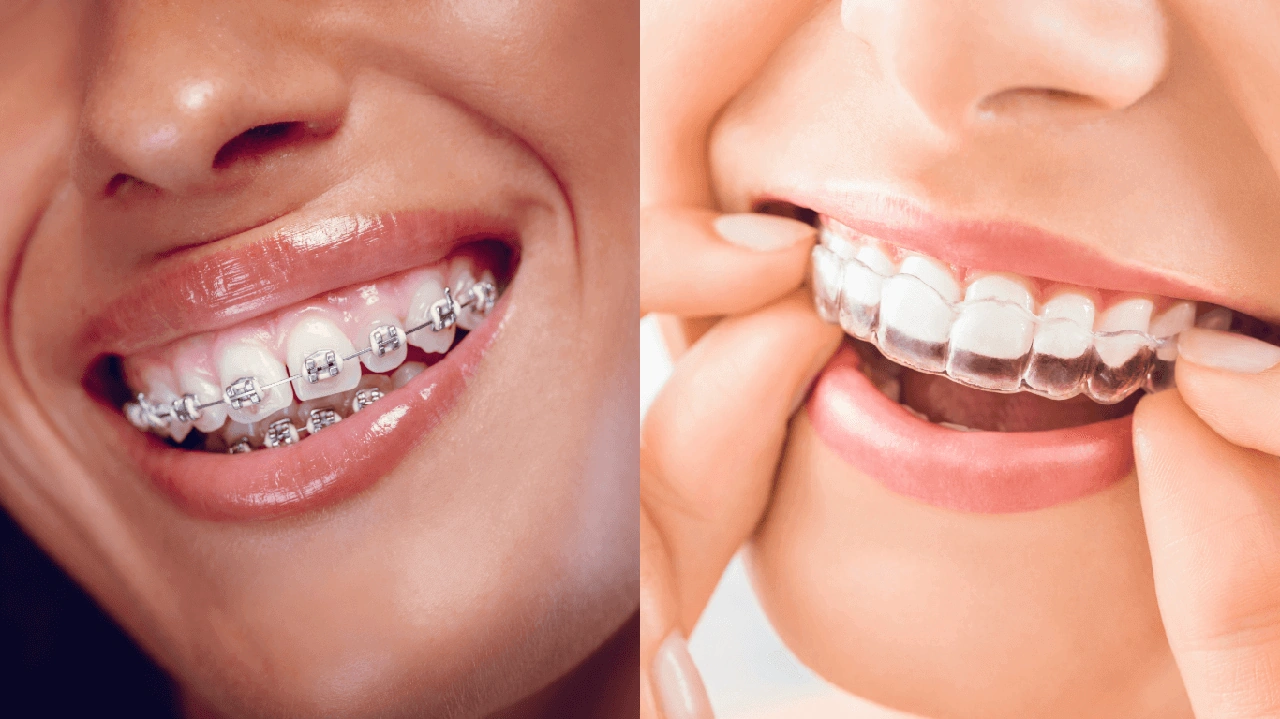
While traditional metal braces remain the most durable and cost-effective method for correcting complex bite issues, patients today have multiple appliance styles to consider.
How Traditional Braces Cost Compares to Ceramic and Clear Aligners
Ceramic braces function just like metal brackets but use translucent or tooth-colored materials that blend in with your enamel. Because ceramic materials are more fragile and require specialized manufacturing, clear braces typically carry a higher total cost than stainless steel.
Clear aligners offer a removable, nearly invisible alternative. If you are exploring what is invisalign, you will find that aligners work well for mild to moderate crowding and spacing. A thorough clear aligners vs braces comparison shows that while aligners offer aesthetic appeal and easy hygiene, traditional fixed braces offer unmatched physical leverage for rotating difficult teeth and closing severe vertical bite gaps.
Long-Term Value and the Return on Investment for Straight Teeth
Orthodontic care is an investment in whole-body health rather than just a cosmetic upgrade. Properly aligned teeth are much easier to brush and floss, which lowers the lifetime risk of gum disease, tooth decay, and uneven enamel wear. Correcting your bite also relieves strain on jaw joints and improves chewing comfort.
A confident smile carries personal and professional benefits as well. An orthodontic earnings correlation study noted that individuals who feel confident in their smiles often experience improved self-esteem, stronger social interactions, and greater professional confidence over their careers.
Navigating Insurance, Discounts, and Hidden Orthodontic Expenses
Navigating orthodontic expenses becomes much easier when you understand your benefit options, payment choices, and potential out-of-pocket items in advance.
Maximizing Dental Insurance, FSAs, and HSAs
Many employer-sponsored dental insurance plans include a dedicated orthodontic rider. Unlike standard preventive coverage, orthodontic benefits often feature a lifetime maximum benefit per individual.
If you are planning for orthodontics without insurance, you can use tax-advantaged accounts like Flexible Spending Accounts (FSAs) or Health Savings Accounts (HSAs). These accounts allow you to pay eligible dental expenses using pretax dollars, effectively lowering your out-of-pocket burden. For qualifying children with severe, medically necessary bite issues, government programs like Medicaid or CHIP may also provide assistance.
Uncovering Hidden Fees Before Starting Treatment
To avoid unexpected surprises, always ask for an itemized breakdown of what your quote includes. Important details to check include:
- Initial Diagnostic Records: Digital 3D scans, panoramic X-rays, and diagnostic photographs taken before placement.
- Hygiene Essentials: Specialized tools such as interdental brushes and flossers for braces to keep teeth healthy throughout treatment.
- Post-Treatment Retainers: The initial set of custom retainers needed to prevent teeth from shifting after braces come off.
- Replacement Hardware: Practice policies regarding rebonding broken brackets or replacing lost retainers.
Cost-Reduction Strategies and Savings Options
There are several ways to make orthodontic care more manageable without cutting corners on clinical quality:
- Dental Membership Plans: An in-house dental membership plan helps uninsured patients access savings on exams, cleanings, and dental procedures.
- Pay-in-Full Reductions: Some practices provide an administrative cash discount for dental care when treatment is paid upfront.
- University Dental Clinics: Institutional practices, such as university faculty orthodontic clinics, occasionally offer reduced fees for clinical care.
- Healthcare Credit: Third-party healthcare financing options, such as navigating CareCredit healthcare financing, allow families to spread payments across structured monthly terms.
How to Get an Accurate, Personalized Orthodontic Estimate
Because every bite is unique, the only way to receive a clear, reliable quote is through an in-person clinical exam. Scheduling an orthodontic consultation near me allows a dental professional to examine your teeth, evaluate jaw alignment, and capture high-resolution diagnostic records.
During your visit, your doctor will discuss your smile goals, present recommended treatment timelines, and provide an all-inclusive fee breakdown with no hidden surprises.
Frequently Asked Questions About the Cost of Braces
How much do traditional metal braces cost out-of-pocket with insurance?
Your out-of-pocket expense depends on your dental plan's specific lifetime orthodontic maximum, copayment percentage, and whether you have met your annual deductible. After your insurance pays its designated lifetime percentage, the remaining balance is paid directly by the patient.
Are traditional metal braces cheaper than clear aligners?
In many clinical cases, traditional metal braces are more economical than clear aligners or ceramic options. Because clear aligners require proprietary digital laboratory staging and multiple sets of custom plastic trays, lab manufacturing fees often make them slightly more expensive than standard stainless steel brackets.
Can orthodontic treatment costs be deducted on taxes?
Orthodontic treatment may qualify as a tax-deductible medical expense under IRS guidelines if your total unreimbursed medical and dental expenses exceed 7.5% of your adjusted gross income (AGI). You should consult a tax professional to see if your out-of-pocket expenses qualify.
Conclusion
Straightening your smile is one of the best investments you can make for your long-term oral health, confidence, and comfort. Understanding what goes into orthodontic treatment fees helps you make informed choices for your family.
Logan Dental Care is a family-focused dental practice located at 1021 N. Main Street in Bellefontaine, Ohio, proudly serving Bellefontaine and surrounding Logan County communities, including Zanesfield, Valley West Liberty, Logansville, Russells Point, and Lakeview. Logan Dental Care is an accredited member of the American Dental Association and the Ohio Dental Association, and holds an A+ BBB rating.
Our welcoming team provides general and preventive dentistry, family dentistry, cosmetic dentistry (teeth whitening, veneers, smile makeovers), orthodontics (Invisalign and traditional braces), restorative dentistry (implants, crowns, bridges), emergency dental care with same-day and after-hours availability, our Smile Protection Savings Plan for uninsured patients, and custom nightguards and mouthguards. Please note that we do not offer in-house payment plan options and do not offer sedation dentistry.
If you are looking for guidance on finding the right care or cheapest braces near me, we invite you to contact us today to schedule your comprehensive consultation and take the first step toward a healthy, lasting smile!