
All About How to Compare Braces Cost Options
How Much Do Braces Cost by Appliance Type in 2026?
On average, comprehensive orthodontic braces cost between $3,000 and $10,000 out of pocket in 2026. Standard metal braces generally range from $3,000 to $7,500, self-ligating systems range from $4,000 to $7,500, ceramic clear braces range from $4,000 to $8,500, in-office clear aligners range from $3,500 to $8,000, and custom lingual braces range from $8,000 to $13,000.
When exploring types of braces and cost, the physical hardware chosen plays a major role in overall fees. Different appliances use distinct materials, manufacturing processes, and mechanical principles to guide teeth into alignment. Understanding these differences helps clarify why estimates vary so widely across treatment methods.
Traditional Metal Braces and Self-Ligating Systems
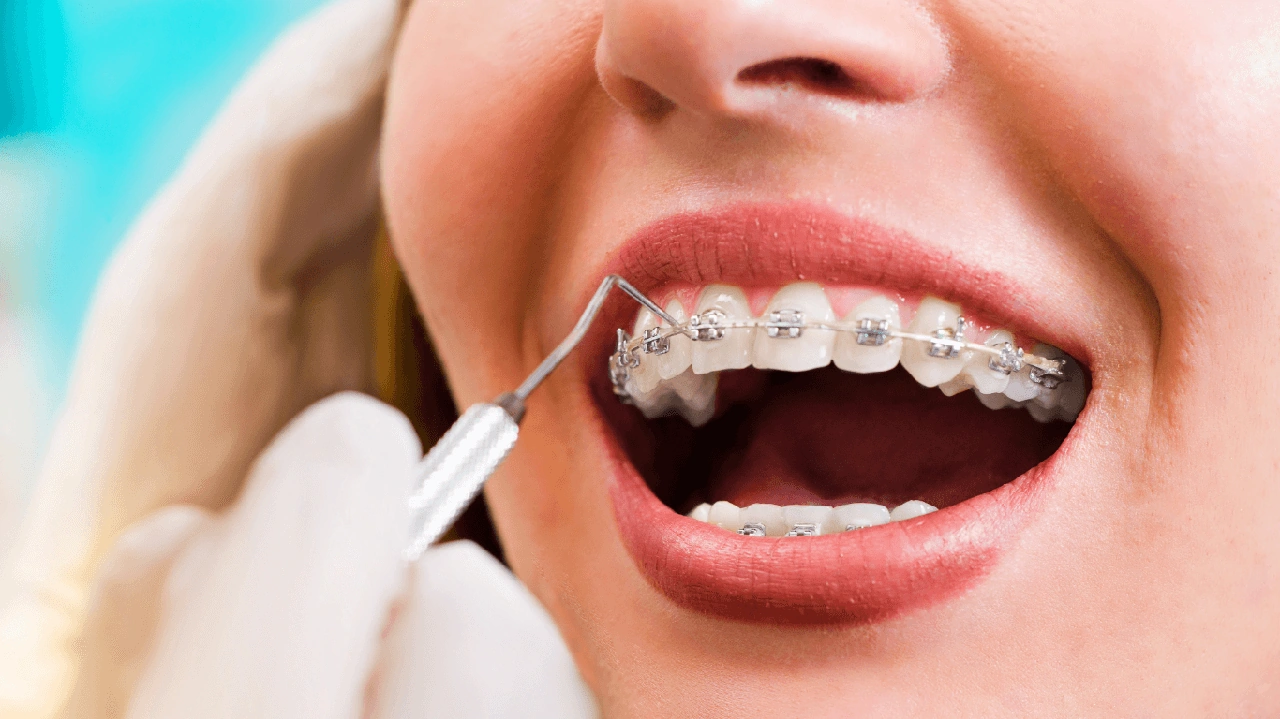
Traditional metal braces remain the most widely used and cost-effective fixed orthodontic system. Made of high-grade stainless steel brackets bonded to each tooth and linked with flexible archwires and elastic ties, they provide reliable mechanical control for complex corrections.
Self-ligating systems use specialized clips or sliding doors to hold the wire in place rather than elastic ligatures (the tiny rubber bands). This design reduces friction between the bracket and the wire, which can make routine adjustment visits quicker and oral hygiene slightly simpler. Because of their durability and mechanical strength, traditional systems are a staple in braces for teens handling moderate to severe tooth crowding and bite corrections.
Aesthetic Ceramic and Lingual Braces
Patients seeking a more subtle appearance often explore ceramic or lingual braces:
- Ceramic (Clear) Braces: These use tooth-colored or translucent ceramic brackets designed to blend with natural enamel. While visually discreet, ceramic material is more brittle than metal, requires diligent cleaning to keep ligatures fresh, and generally carries higher material and lab costs.
- Lingual Braces: Lingual appliances are custom-made brackets bonded behind the teeth on the tongue side, making them virtually invisible from the outside. Because each bracket is custom-cast to match tooth anatomy and requires specialized clinical training and chairside time, lingual systems represent the most expensive bracket category.
In-Office Clear Aligners vs. Mail-Order Aligners
Clear aligner systems offer a removable, transparent alternative to fixed brackets. Custom plastic trays guide teeth incrementally when worn for twenty to twenty-two hours daily. Choosing braces vs invisalign r which orthodontic treatment is right for you depends on case complexity, lifestyle routines, and aesthetic goals.
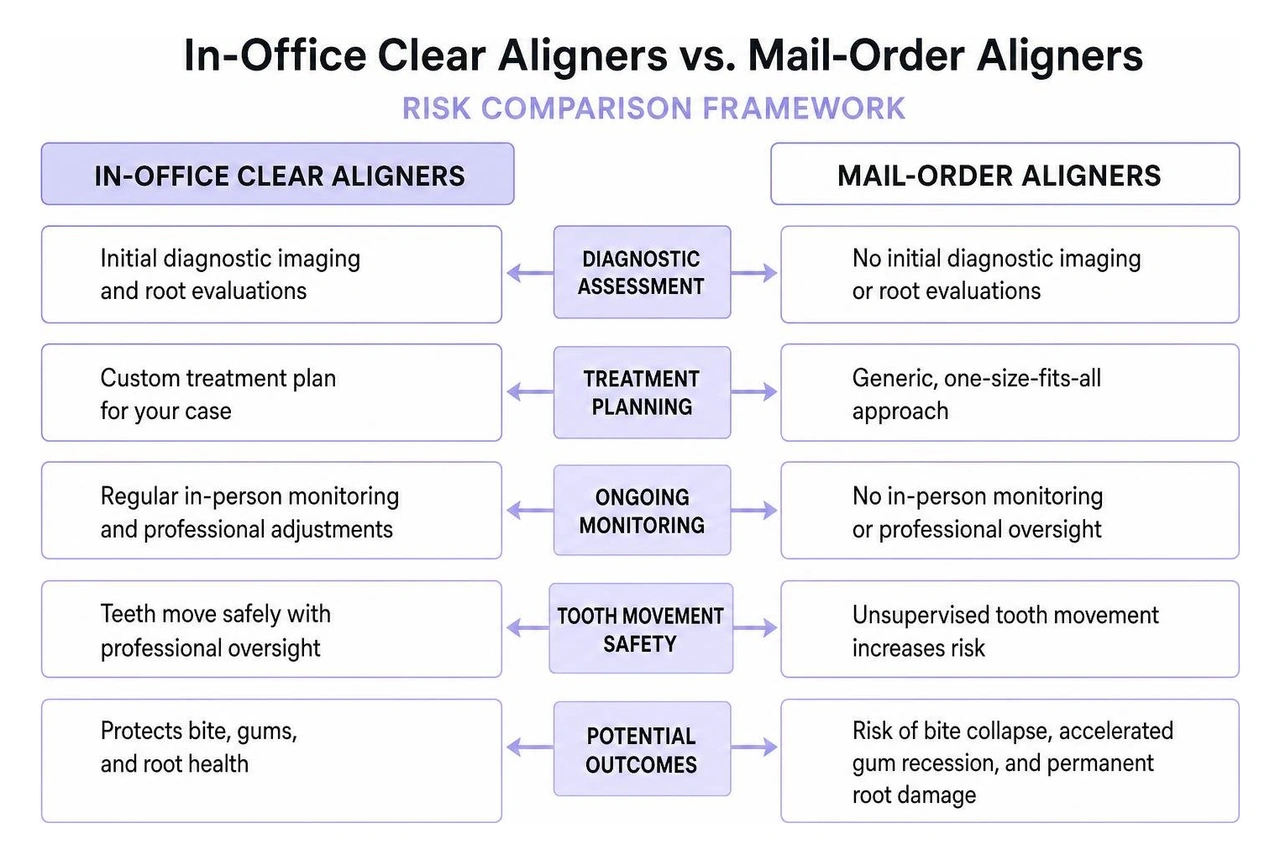
While direct-to-consumer, mail-order aligner kits advertise low upfront pricing, eliminating in-person doctor oversight creates significant oral health risks. Without initial diagnostic imaging, root evaluations, and regular professional monitoring, unsupervised tooth movement can lead to bite collapse, accelerated gum recession, and permanent root damage. Professional in-office oversight ensures that teeth shift safely while protecting the underlying bone structure.
Key Factors Influencing Orthodontic Pricing

Beyond hardware selection, biological factors and clinical requirements shape the overall scope of orthodontic treatment.
How Much Do Braces Cost for Adults Compared to Kids?
When evaluating adult braces cost versus braces for kids, adult care often requires a higher investment. Fully matured, denser adult jawbone moves more slowly than growing pediatric bone tissue. Additionally, adults frequently present with pre-existing dental work (such as crowns or bridges), missing teeth, or mild bone loss that requires careful, collaborative management during alignment.
Case Complexity, Early Phase 1 Intervention, and Treatment Duration
The severity of tooth rotation and bite discrepancies directly influences appointment frequency and active treatment length. For younger patients, scheduling an early evaluation around age seven allows a dental team to identify skeletal crossbites or severe crowding early.
Interceptive Phase 1 treatment (such as a palate expander) guides jaw development while baby teeth are still present. This early step simplifies or shortens Phase 2 comprehensive treatment once all permanent teeth emerge, creating a more predictable correction when planning braces for overbite.
Geographic Overhead and Specialist Credentials
Regional economic factors and local overhead costs influence orthodontic quotes. Metropolitan practices typically maintain higher clinic leases and staffing overhead compared to community practices in West Liberty, Valley Or Bellefontaine, Ohio.
Furthermore, partnering with a board certified orthodontist or an experienced family dentist involves specialized post-graduate training, modern digital imaging capabilities, and advanced treatment planning protocols, as detailed in our dentist orthodontist guide 2026.
Navigating Insurance, Medicaid, and Out-of-Pocket Payment Options
Orthodontic financing requires navigating dental benefits, pre-tax accounts, and out-of-pocket budgeting strategies. Understanding payment structures helps families plan realistic monthly budgets while maximizing available discounts:
- Dental insurance policies with dedicated orthodontic riders
- Pre-tax healthcare accounts (Health Savings Accounts and Flexible Spending Accounts)
- State-funded Medicaid programs for qualifying medical necessity
- Direct self-pay using savings or practice membership savings plans
How Much Do Braces Cost Without Insurance?
Navigating orthodontics without insurance means paying the complete treatment fee directly, which averages between $3,000 and $10,000 across the United States. Self-pay patients can review our affordable braces complete guide 2025 to learn about pay-in-full courtesies (often a 5% to 10% reduction for cash or check paid before appliance bonding) and university dental clinic residency programs that provide reduced-rate clinical treatment.
For routine cleanings, exams, and baseline checkups before orthodontic banding, uninsured patients can explore dedicated in-house programs like the Smile Protection Savings Plan to keep standard care transparent and accessible.
Dental Insurance Coverage and Lifetime Orthodontic Maximums
Dental insurance policies that cover orthodontics differ fundamentally from basic general dental coverage. Orthodontic benefits operate under a lifetime orthodontic maximum—a separate cap (typically ranging from $1,000 to $3,000) that applies once per patient across the entire duration of the policy, rather than renewing each year.
Most plans enforce waiting periods of six to twelve months before benefits activate and may restrict coverage strictly to dependent children under the age of nineteen. Confirming whether your policy requires formal pre-authorization before bonding brackets avoids unexpected out-of-pocket costs.
Medicaid Guidelines, FSA/HSA Utilization, and Tax Deductions
For pediatric patients, Medicaid may cover treatment when malocclusion is classified as medically necessary. State criteria often use clinical screening systems, such as the Handicapping Labio-lingual Deviation (HLD) index, to measure whether severe functional speech or chewing impairments exist.
Patients with private insurance or out-of-pocket expenses can use pre-tax Flexible Spending Accounts (FSA) or Health Savings Accounts (HSA) to cover copays and monthly treatment charges. Additionally, unreimbursed medical and dental expenses that exceed 7.5% of an individual's Adjusted Gross Income (AGI) may qualify for itemized tax deductions under Internal Revenue Service guidelines.
Uncovering Hidden Orthodontic Fees and Retention Costs
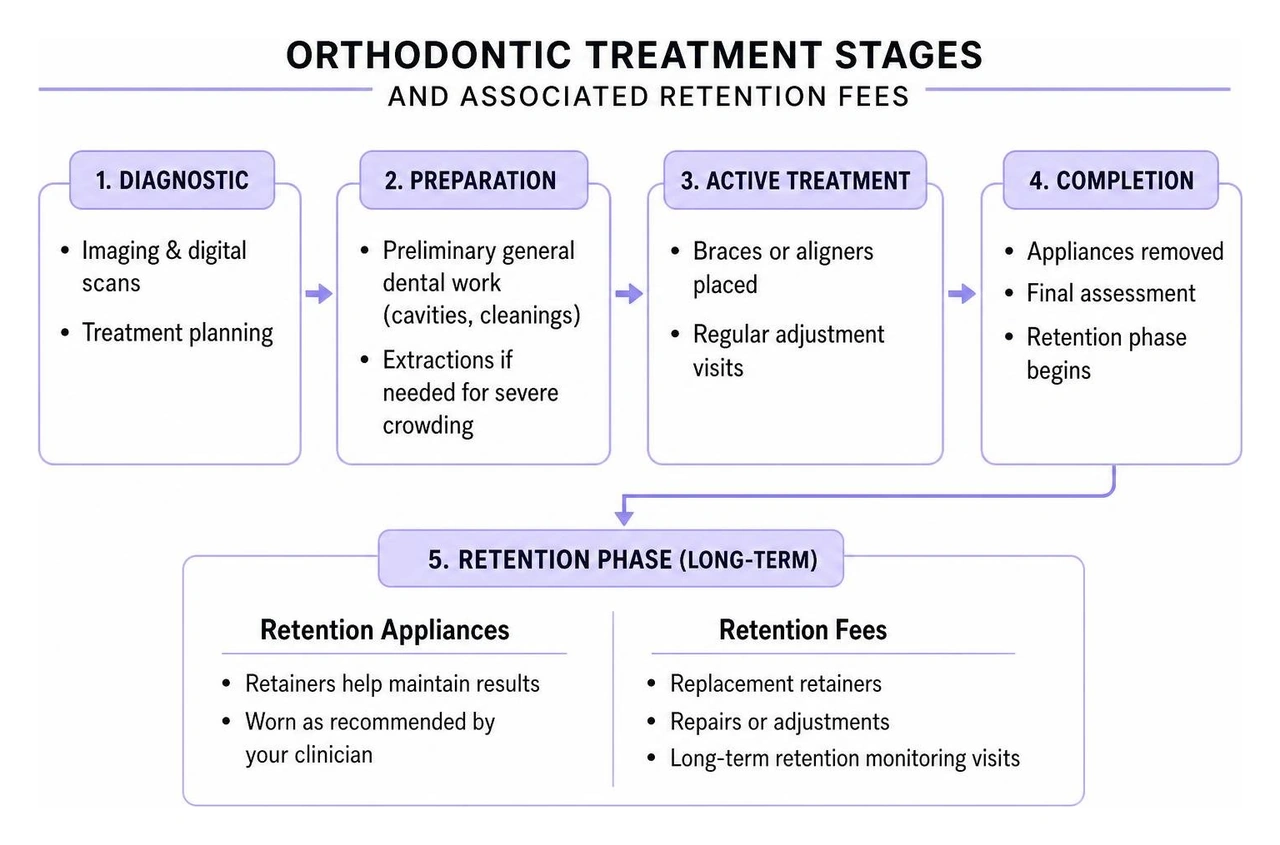
A complete orthodontic treatment cost breakdown should account for every phase of care, from initial diagnostic imaging to long-term post-treatment maintenance.
Diagnostic Imaging, Scans, and Preliminary Extractions
Before brackets are placed, clinicians compile comprehensive diagnostic records:
- Imaging & Digital Scans: Panoramic X-rays, 3D cone-beam scans, and cephalometric analyses ensure accurate jaw measurements.
- Preliminary General Dental Work: Active cavities must be restored and thorough hygiene cleanings completed before orthodontic bonding. In cases of severe crowding, selective premolar extractions may be necessary.
Post-Treatment Retainers and Emergency Repair Expenses
Active tooth movement is only half the journey; maintaining the final alignment is essential.
- Retainers: Clear vacuum-formed retainers, wire Hawley retainers, or bonded fixed lingual wires keep teeth stable. Inquire whether your initial estimate includes your first set of retainers or if replacements incur separate fees.
- Repairs & Hygiene: Broken brackets or bent wires from eating crunchy snacks may require repair fees depending on practice policies. Using specialized flossers for braces prevents plaque accumulation around brackets, while diligent retainer wear avoids unwanted bottom teeth crowding after braces.
Frequently Asked Questions About Braces Cost
Does Medicaid cover braces for adult patients?
Medicaid rarely covers orthodontic care for adults over age twenty-one. Exceptions occur almost exclusively when tooth alignment is required in conjunction with corrective jaw surgery for severe skeletal defects or trauma rehabilitation.
Can you deduct the cost of braces on your taxes?
Yes. Medically necessary orthodontic treatment qualifies under IRS medical and dental expense deductions. You can deduct unreimbursed costs that exceed 7.5% of your Adjusted Gross Income (AGI) when itemizing your federal tax return.
Is Invisalign cheaper than traditional metal braces?
Minor alignment packages (designed for light relapse or mild cosmetic spacing) can cost less than comprehensive bracket treatment. However, full-case clear aligner treatment is generally comparable to or slightly higher than traditional metal braces due to custom manufacturing, digital planning, and refinement trays.
Conclusion
Understanding how much do braces cost requires looking past baseline hardware fees to evaluate diagnostic imaging, adjustment appointments, emergency repairs, and post-treatment retainers. Aligning teeth improves long-term bite function, protects natural enamel, and builds lasting confidence.
At Logan Dental Care, we believe that high-quality, comfortable dental care starts with open communication and long-term relationships. We are a family-focused dental practice located at 1021 N. Main Street in Bellefontaine, Ohio, serving neighbors across Logan County, Zanesfield, Logansville, Russells Point, and Lakeview. We are an accredited member of the American Dental Association and the Ohio Dental Association, holding an A+ BBB rating. Please note that Logan Dental Care does not offer payment plan options or sedation dentistry.
Whether you need general preventive care, athletic mouthguards, custom nightguards, or guidance on orthodontic treatment, our friendly team is here to support your smile. Contact us today to learn more about our orthodontics consultation options.