
Choose the Right Dentist to Restore Your Damaged Tooth with Confidence

Find a Crown Dentist You Can Trust in Bellefontaine
To find the best crown dentist near me, look for a practice that can explain why a crown is needed, show you the condition of the tooth with clear imaging, discuss material and same-day options, and give you a written treatment and insurance estimate before work begins. A good crown should restore comfortable chewing, protect the remaining tooth, and blend naturally with your smile.
Dental crowns are often used for teeth that are badly decayed, cracked, worn down, or weakened after a root canal. This matters because untreated decay affects about 26% of adults, while gum disease affects nearly half of adults over 30. Acting early can sometimes save more of your natural tooth.
At Logan Dental Care, our family-focused team serves Bellefontaine and surrounding Logan County communities from 1021 N. Main Street. We are accredited members of the American Dental Association and Ohio Dental Association, with an A+ BBB rating, and we offer crowns, bridges, emergency care, and same-day availability when appropriate.
The Logan Dental Care Team is here to help you understand your options and make a confident choice for your smile.
Quick best crown dentist near me terms:
Understanding Dental Crowns: Purpose, Materials, and Technology
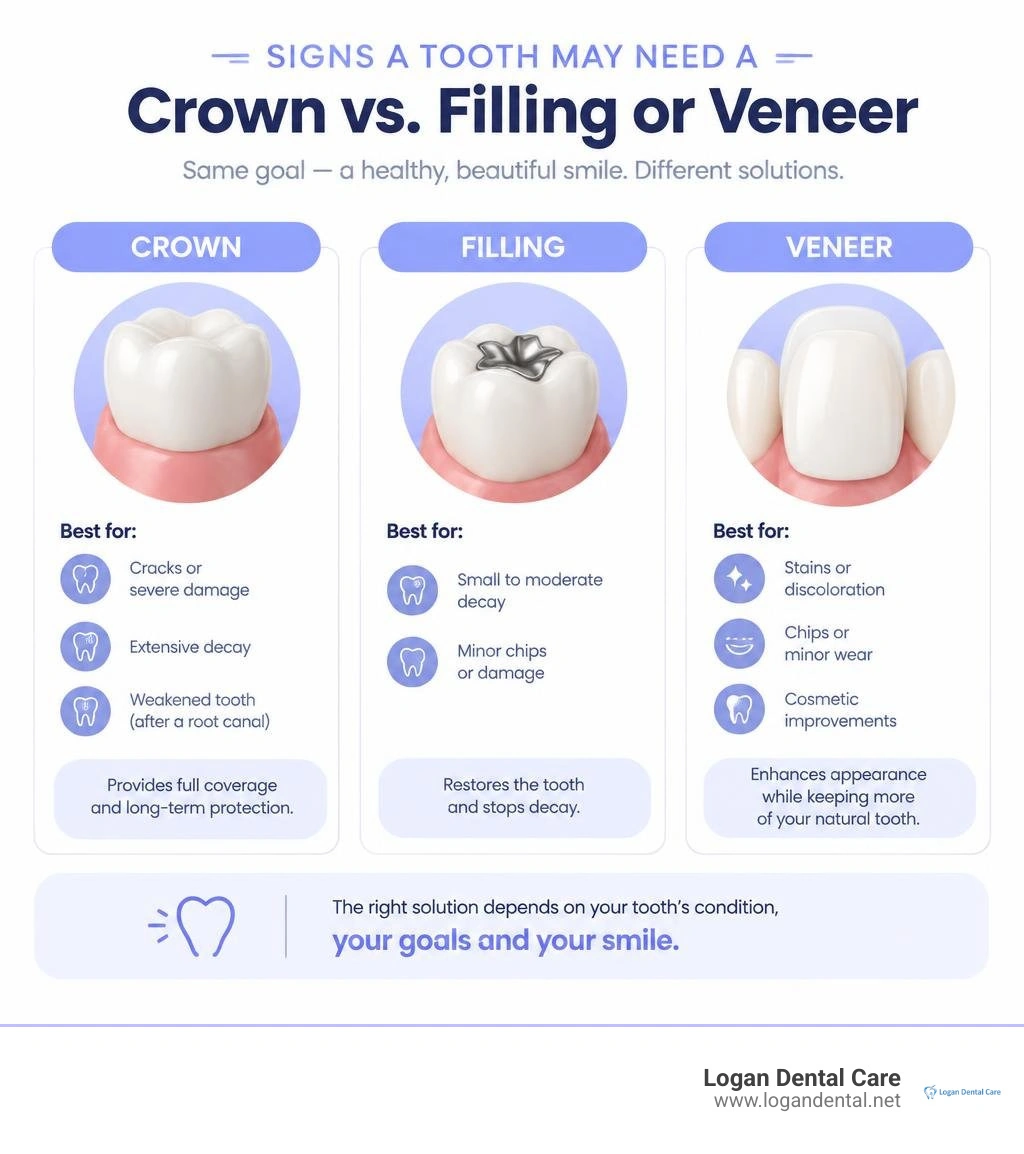
When a tooth experiences severe damage, a simple filling might not be enough to preserve its structure. A dental crown functions as a custom-fitted cap that covers the entire visible portion of the tooth down to the gumline. By distributing bite pressure evenly, it shields compromised enamel from fracturing further. Crowns are primarily recommended for restoring deeply decayed teeth, repairing structural cracks, reinforcing worn-down surfaces, and providing essential post-root canal protection to fragile back molars. Through comprehensive restorative crowns and bridges, dentists can rebuild both oral health and chewing comfort.
Selecting the right material depends on where the tooth sits in your mouth, your natural bite force, and your aesthetic goals. Exploring the different types of teeth crowns allows you to balance durability with natural appearance:
- Zirconia: Known for exceptional strength, zirconia is a biocompatible ceramic that withstands heavy grinding and chewing forces. It is frequently the top choice for molars.
- Lithium Disilicate (e.max): This high-grade glass ceramic provides remarkable translucency and mimics natural enamel better than almost any other option, making it ideal for front and visible side teeth.
- Porcelain-Fused-to-Metal (PFM): Combines a durable metal core with an outer porcelain layer. While strong, it can sometimes show a subtle dark line at the gumline over time.
- Full Porcelain or Ceramic: Offers completely metal-free restorations that eliminate concerns about metal allergies while delivering lifelike aesthetics.
Single-Visit CEREC vs. Traditional Lab-Made Crowns
Advancements in dental technology now offer distinct pathways for receiving a crown. Traditional crowns require two appointments spaced two to three weeks apart. During the first visit, the dentist numbs and prepares the tooth, takes a physical putty impression, and bonds a temporary cap. A commercial dental laboratory then fabricates the restoration before you return for final cementation.
In contrast, modern same-day dental crown options utilize CAD/CAM (Computer-Aided Design and Computer-Aided Manufacturing) systems such as CEREC.
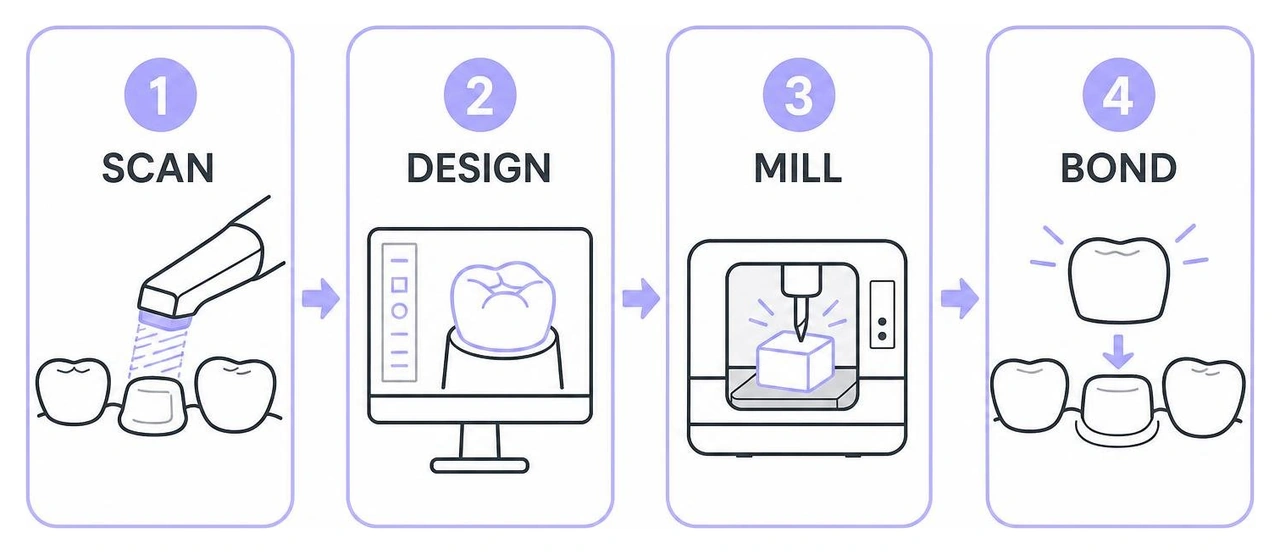
With this chairside approach:
- A high-resolution intraoral camera captures an accurate 3D digital impression of your prepared tooth.
- The dentist designs the custom restoration on-screen to match your bite.
- An in-office milling unit carves the crown from a solid ceramic block in roughly 15 to 20 minutes.
- The crown is polished, glazed, and permanently bonded in a single appointment, eliminating the need for temporary caps or a second injection.
While same-day crowns offer unmatched convenience, complex cases involving multi-unit restorations or intricate color-matching for prominent front teeth may still benefit from the specialized artistry of a master lab ceramist.
Choosing the Best Crown Dentist Near Me for Cosmetic and Restorative Needs
Restoring a tooth is not merely a mechanical fix—it is an art form. When choosing a dentist to handle a broken or worn tooth in your smile zone, you want a clinician skilled in cosmetic dentistry.
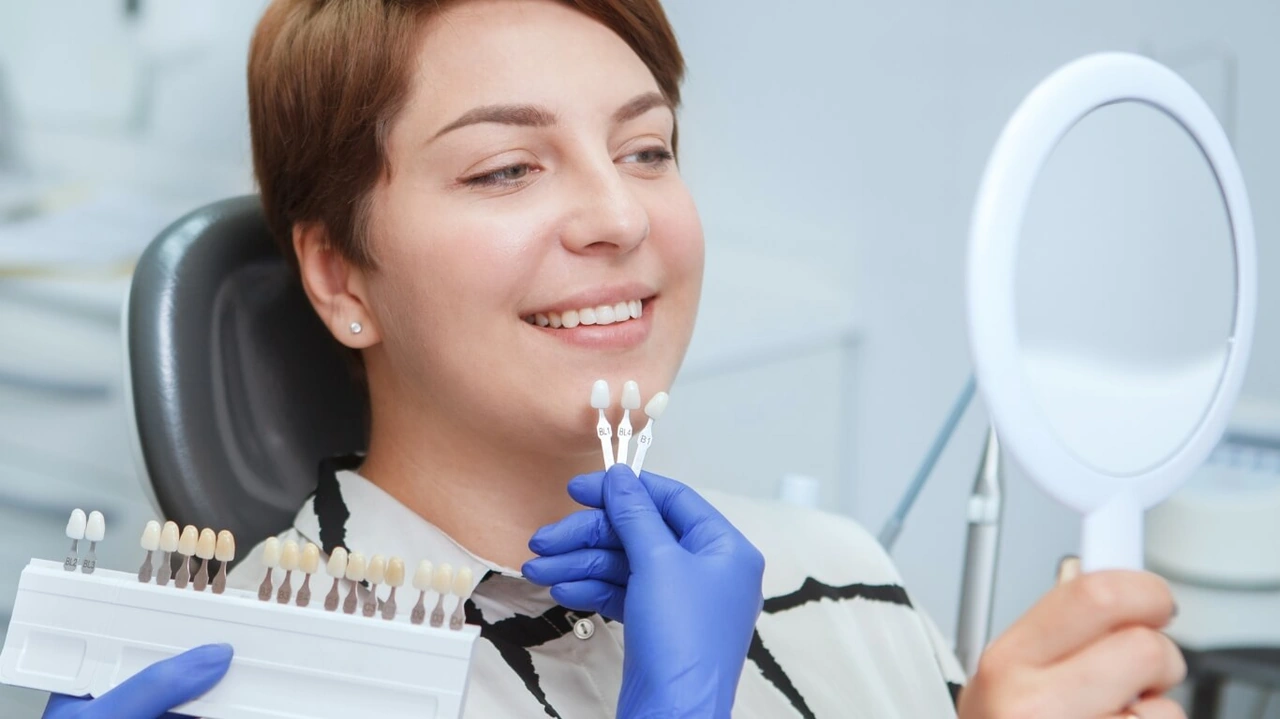
Anterior (front) teeth demand precise shade matching, delicate surface texturing, and careful bite alignment so the new tooth harmonizes seamlessly with your surrounding smile. If structural damage is minor, the dentist may suggest conservative alternatives such as composite bonding services to build up chipped edges without removing significant natural enamel.
Comparing Restorative Solutions: Crowns, Veneers, and Bonding
Choosing the appropriate treatment depends on how much healthy tooth structure remains and whether your primary concern is functional or aesthetic. Reviewing various cosmetic dental treatment options helps clarify the differences:
- Dental Crowns: Provide full 360-degree coverage. A crown is necessary when a tooth has lost significant structural integrity from large cavities, deep fractures, or root canal therapy.
- Porcelain Veneers: Ultra-thin ceramic shells bonded solely to the front surface of teeth. They preserve more natural tooth structure while correcting severe discoloration, minor gaps, or uneven shapes.
- Composite Veneers & Dental Bonding: Resin applied directly to the tooth surface in a single visit. This provides a budget-friendly option for minor cosmetic chips, though it requires regular maintenance.
Preserving healthy natural tooth enamel is always the main clinical goal. Pairing the right restoration with consistent daily dental care tips—such as gentle brushing with non-abrasive fluoride toothpaste and daily flossing—ensures that whichever option you choose lasts for years to come.
How to Choose the Best Crown Dentist Near Me
Finding the right dental home means looking beyond general advertisements to evaluate clinical expertise, diagnostic technology, and patient care philosophies.
When researching local dental care providers, consider the following factors:
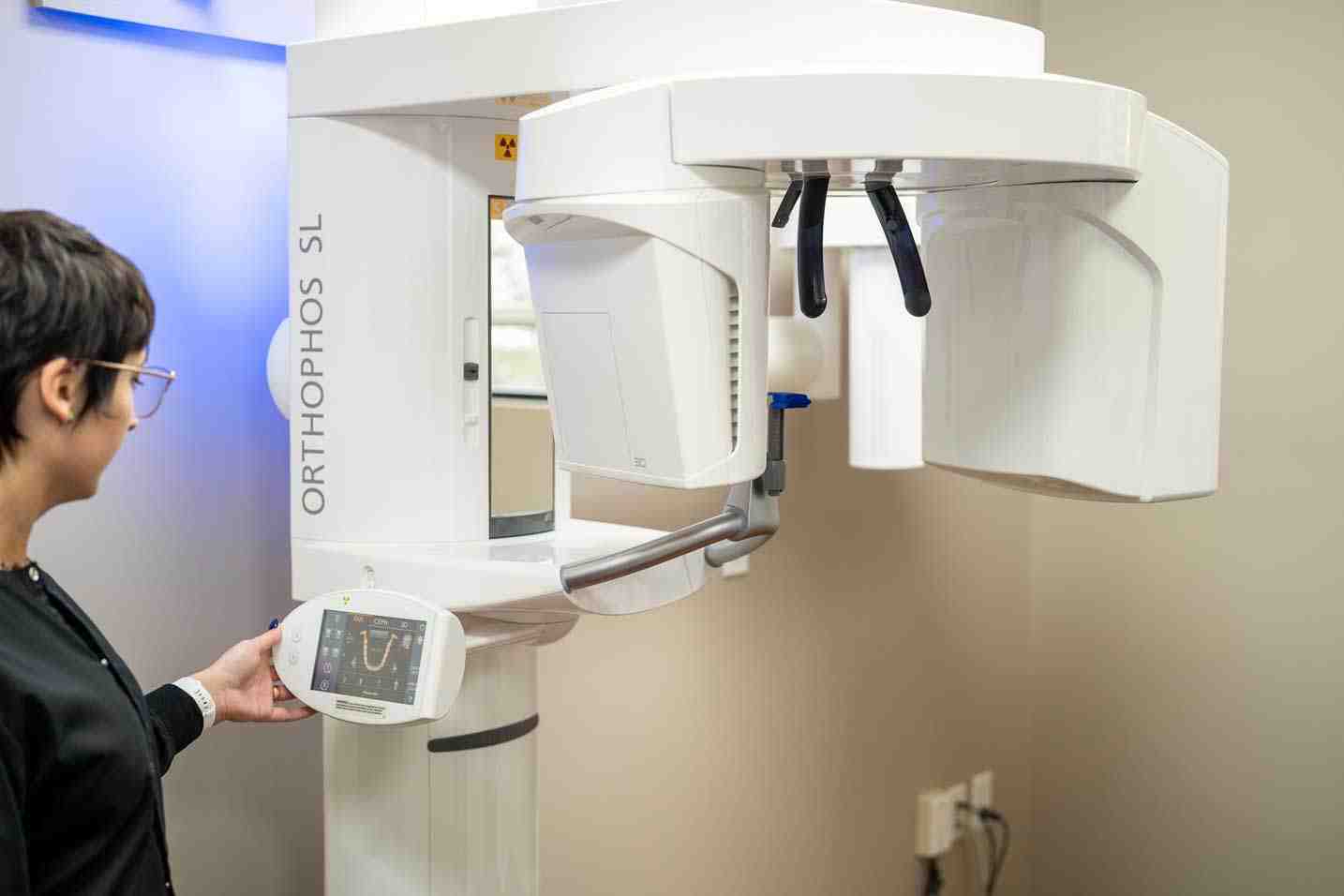
- Advanced Diagnostic Technology: Look for offices utilizing digital X-rays and 3D intraoral scanners. These tools eliminate messy impression trays, reduce radiation exposure, and ensure a precise marginal fit that keeps bacteria out.
- Patient Comfort Amenities: A trip to the dentist should never feel stressful. Practices that offer a warm, judgment-free atmosphere help ease dental anxiety for the entire family.
- Transparent Communication: Your dentist should clearly explain findings, show you digital images of your tooth, and outline every treatment option without high-pressure sales tactics.
Key Qualities to Look for in the Best Crown Dentist Near Me
Credibility and clinical precision are paramount. Always verify that your dentist maintains active accreditation with reputable organizations such as the American Dental Association and state dental associations.
Furthermore, because severely decayed or traumatized teeth often involve nerve inflammation, choosing a practice capable of coordinating care alongside a comprehensive root canal and crown guide ensures your tooth is properly stabilized before the permanent crown is placed.
Understanding Crown Costs, Insurance, and Savings Options
The total investment for a crown depends on the restoration material, the complexity of tooth preparation, and whether preparatory procedures like core buildups are necessary. Reviewing the core dental crown cost factors beforehand ensures there are no surprises.
Most dental insurance plans classify crowns as major restorative procedures, often covering up to 50% of the cost after deductibles are met. It is always wise to review your crown coverage with dental insurance prior to treatment so you have a clear picture of out-of-pocket expenses.
For uninsured patients or those who have reached their annual policy maximums, many modern practices offer direct dental membership plans. These in-house savings programs provide predictable discounts on preventive, cosmetic, and restorative procedures without the waiting periods, claim denials, or annual caps associated with traditional insurance.
Frequently Asked Questions About Dental Crowns
How long does a dental crown typically last?
A well-made dental crown commonly lasts between 10 to 15 years, and often much longer with diligent oral hygiene. While the ceramic or zirconia material cannot decay, the natural tooth underneath along the gumline remains vulnerable to plaque. Brushing twice daily, flossing around the restoration, wearing a nightguard if you grind your teeth, and attending routine dental checkups all maximize dental cap protection.
Does getting a dental crown hurt?
The procedure is comfortable and straightforward. Your dentist will administer local anesthesia to completely numb the tooth and surrounding gum tissue during preparation. Afterward, you might experience mild gum tenderness or slight temperature sensitivity for a few days, which typically responds well to over-the-counter pain relievers and warm salt water rinses.
Can a dental crown improve the appearance of my front teeth?
Yes. Modern aesthetic crowns made from all-ceramic or e.max materials are customized to match the precise shade, translucency, and contour of your adjacent teeth. When integrated into broader cosmetic dental services, crowns can restore badly broken, misshapen, or severely discolored front teeth to create a balanced, natural-looking smile.
Conclusion
Restoring a broken, decayed, or weakened tooth does not have to be an overwhelming process. By partnering with a dental practice that prioritizes clear communication, modern technology, and patient-first care, you can protect your oral health and regain complete chewing confidence.
At Logan Dental Care, we treat every patient like a member of our extended family. Located at 1021 N. Main Street in Bellefontaine, Ohio, we proudly serve families throughout Bellefontaine and the surrounding Logan County communities, including Zanesfield, Valley West Liberty, Logansville, Russells Point, and Lakeview. As accredited members of the American Dental Association and the Ohio Dental Association with an A+ BBB rating, we are dedicated to providing comfortable, high-quality care in a welcoming, neighborhood environment.
Our practice offers comprehensive dental solutions for every stage of life, including general and preventive dentistry, family dentistry, cosmetic dentistry (such as teeth whitening, veneers, and smile makeovers), orthodontics (Invisalign and traditional braces), restorative dentistry (implants, crowns, and bridges), nightguards/mouthguards, and prompt emergency dental care—with same-day and outside standard business hours availability when urgent needs arise.
For patients without dental insurance, our Smile Protection Savings Plan provides an accessible in-house membership option to keep your family's oral health on track. Please note that we do not offer payment plan options or sedation dentistry, focusing instead on gentle, compassionate techniques and transparent care.
If you have questions about restoring a damaged tooth or want to explore our complete dental crowns cost guide, we welcome you to reach out to our team. We look forward to helping you smile with confidence!