
The Complete Guide to Tooth Extraction Aftercare
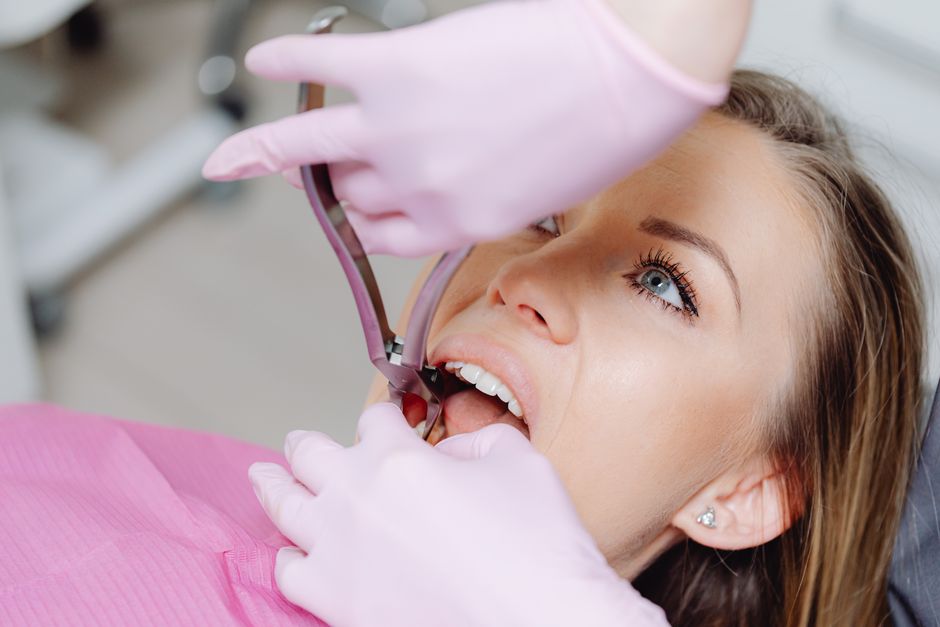
What Is Tooth Extraction Aftercare — and Why Does It Matter?
Tooth extraction aftercare is the set of steps you take after having a tooth removed to help your mouth heal properly and avoid painful complications.
Here's a quick overview of the most important aftercare steps:
- Bite gently on gauze for 30-45 minutes to help a blood clot form
- Rest for at least the first 24 hours — avoid strenuous activity
- Apply an ice pack (20 minutes on, 20 minutes off) to reduce swelling
- Eat soft, cool foods like yogurt, mashed potatoes, and applesauce
- Avoid straws, spitting, and smoking — these can dislodge the clot
- Rinse gently with warm salt water starting the day after your extraction
- Take pain medication as directed by your dentist
- Watch for warning signs like fever, worsening swelling, or severe pain after day three
Most people feel back to normal within a few days. Routine activities can usually resume within 48 to 72 hours. Full jawbone healing, especially for larger teeth like molars, can take several weeks or even a few months.
The good news? Most complications after a tooth extraction are avoidable. What you do — and don't do — in the days following your procedure makes an enormous difference.
Whether you just had a simple extraction or something more involved like wisdom teeth removal, this guide walks you through everything you need to know to heal comfortably and confidently.
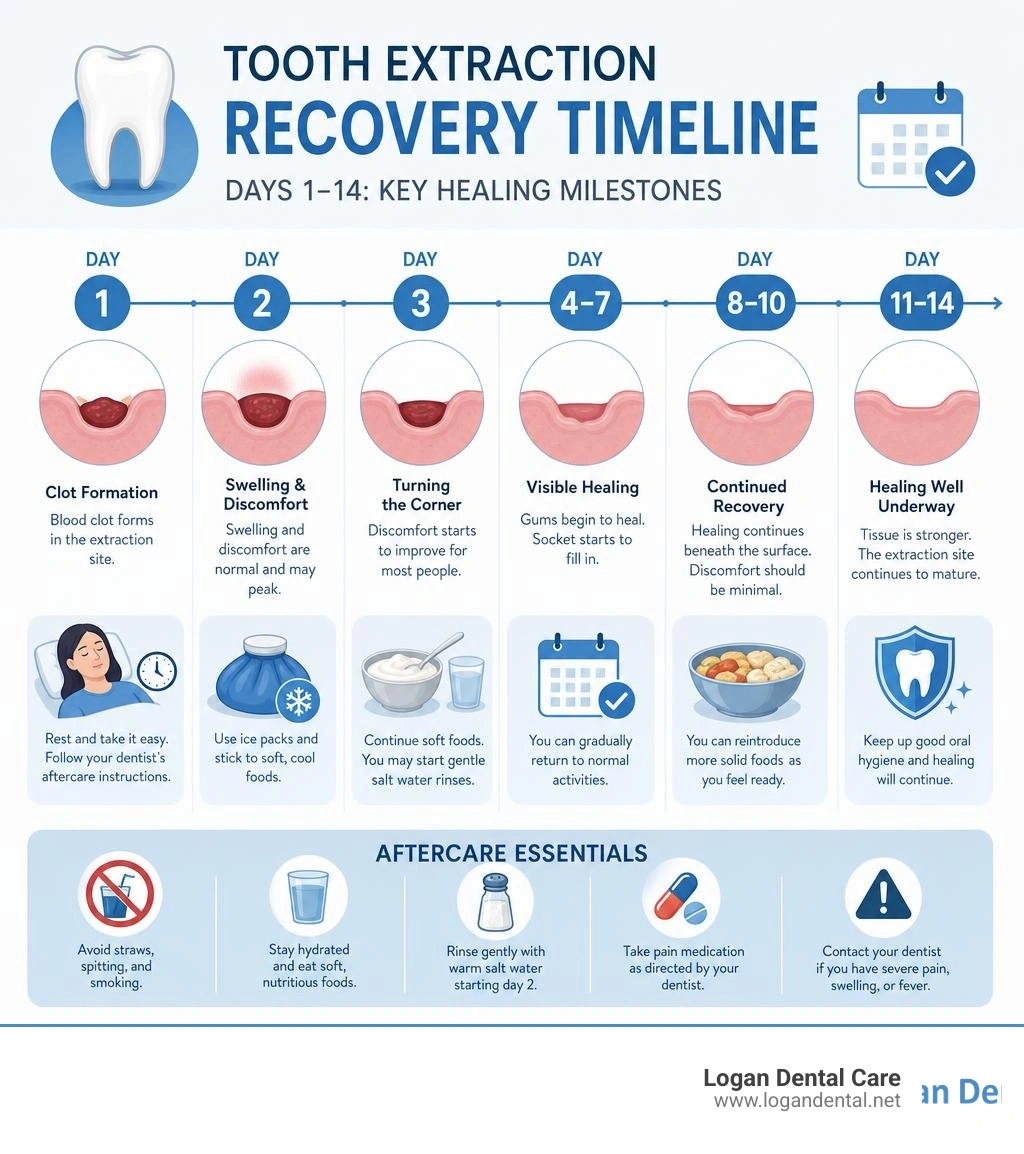
What To Expect: The Tooth Extraction Aftercare Timeline

When you leave our Bellefontaine office, your recovery journey officially begins. Understanding what happens at each stage of the healing process can replace anxiety with peace of mind. While everyone heals at their own pace, having a general roadmap helps you monitor your progress.
During the first 24 to 48 hours, your body’s primary job is to establish a stable blood clot in the empty socket. This clot acts as a natural Band-Aid, protecting the exposed bone and nerves beneath. You may experience light oozing and initial swelling during this window.
By days 3 to 7, the swelling should peak and start to subside, and new tissue will begin growing over the extraction site. Most patients are able to return to their normal routine activities within 48 to 72 hours, but it is still important to avoid heavy lifting or high-impact exercise. To learn more about setting yourself up for success, check out our Tooth Extraction Recovery Tips.
Essential Steps for Tooth Extraction Aftercare in the First 24 Hours
The first day is the most critical window for securing your recovery. Your main goal is to protect the newly forming blood clot.
- Keep the Pressure On: Keep biting gently but firmly on the gauze pad placed over the socket for 30 to 45 minutes. If bleeding continues, replace it with a fresh, slightly damp gauze pad for another 30 minutes.
- Rest and Relax: Avoid physical exertion. Sit back in a comfortable chair and keep your head elevated with extra pillows to keep swelling and bleeding to a minimum.
- Do Not Disturb the Area: Avoid touching the socket with your tongue, fingers, or toothpicks.
- Avoid Suction: Absolutely no using straws, spitting forcefully, or smoking. These actions create suction in your mouth that can easily dislodge the delicate blood clot.
For more detailed clinical advice on managing your mouth immediately after surgery, you can review the NHS mouth care after dental extraction guidelines.
Managing Pain and Swelling Safely
Swelling is a normal part of your body's natural healing response, and it typically peaks around the third day. To keep swelling under control, apply an ice pack wrapped in a cloth to the side of your face for 15 to 20 minutes at a time, followed by a 20-minute break.
When it comes to pain management, staying ahead of the discomfort is much easier than trying to catch up to it. We recommend taking your first dose of pain reliever before the local anesthetic completely wears off.
For highly effective, non-narcotic relief, you can follow clinical protocols and take Ibuprofen (600 mg) and Tylenol (1000 mg) every 6 hours, around the clock, for the first 48-72 hours after surgery, even if pain is minimal. This combination helps control inflammation and prevents pain from escalating. Always take these medications with a little food to protect your stomach.
If you experience mild jaw stiffness, this is also normal, especially after a more complex extraction. You can begin gentle jaw-stretching exercises starting on the third day to help restore your normal range of motion.
Safe Diet and Nutrition During Recovery

Eating well is essential for giving your body the fuel it needs to rebuild tissue, but you must choose your meals carefully to protect the healing socket. In the first 24 to 48 hours, stick to liquids and very soft, cool foods.
As you plan your recovery meals, you might wonder about dairy products. While items like yogurt and pudding are fantastic, there are important rules to follow. Read our guide on Why No Dairy After Tooth Extraction to understand how to safely incorporate these foods without risking infection.
What to Eat: The Best Soft Foods
Here are some of the safest and most comforting options to enjoy during your first few days of recovery:
- Applesauce and Fruit Purees: Cool, smooth, and packed with vitamins.
- Mashed Potatoes: Warm (not hot) mashed potatoes or mashed sweet potatoes are filling and require zero chewing.
- Smoothies (Eaten with a Spoon): Nutrient-dense smoothies are great, but remember to eat them with a spoon rather than drinking them through a straw.
- Yogurt and Pudding: Excellent cool options that soothe the mouth.
- Oatmeal and Cream of Wheat: Ensure they have cooled down to a lukewarm temperature before eating.
What to Avoid: Foods and Drinks That Harm Healing
To prevent pain and complications, keep these items off your plate for at least the first week:
- Crunchy, Sharp, or Hard Foods: Chips, pretzels, popcorn, nuts, and seeds can easily lodge in the open socket and cause severe infections.
- Spicy and Highly Acidic Foods: Chili, citrus fruits, and hot salsa will sting and irritate the raw healing tissues.
- Extremely Hot Liquids: Hot soups, coffee, and tea can dissolve the developing blood clot.
- Carbonated and Alcoholic Beverages: These drinks can interfere with the healing process and interact poorly with pain medications.
- Straws: The physical act of sucking through a straw is one of the leading causes of dry socket.
Preventing Complications and Promoting Healing
A smooth recovery is all about protecting the extraction site from physical trauma and keeping harmful bacteria at bay. By following basic hygiene rules and avoiding common pitfalls, you can ensure your jaw heals cleanly. For a comprehensive look at the biological stages of recovery, you can read the Tooth extraction aftercare timeline and guide.
Preventing Dry Socket and Other Tooth Extraction Aftercare Complications
Dry socket (alveolar osteitis) is the most common complication following an extraction. It occurs when the protective blood clot fails to form, dissolves, or is accidentally dislodged, exposing the underlying bone and nerves to air, food, and fluids. This results in a severe, throbbing pain that often radiates up to the ear, temple, or neck.
To protect the clot and prevent dry socket:
- Avoid Smoking and Tobacco: Do not smoke or vape for at least 72 hours (ideally 7 days) post-extraction. The chemicals in tobacco restrict blood flow to the gums, while the physical act of inhaling can pull the clot right out of the socket.
- Sneeze with Your Mouth Open: If you need to sneeze or cough, do so with your mouth open to prevent sudden pressure changes in your sinuses and oral cavity.
- Do Not Spit: If you have excess saliva or blood, gently wipe it away or swallow rather than spitting forcefully.
Proper Oral Hygiene Practices During Healing
Keeping your mouth clean is vital, but you must be incredibly gentle around the surgical site.
On the day of your extraction, do not brush, rinse, or spit. Starting the second day, you should resume brushing and flossing your other teeth normally to keep oral bacteria levels low, but completely bypass the extraction site.
To sanitize the healing area, gently rinse your mouth with a warm salt water rinse (1/2 teaspoon of salt dissolved in 8 ounces of warm water) 2 to 3 times a day, especially after eating. Instead of swishing forcefully, gently tilt your head from side to side and let the water cascade out of your mouth over the sink. For more general tips on keeping your teeth in great shape, explore our helpful Dental Care Tips.
Special Considerations: Children, Wisdom Teeth, and Multiple Extractions
Not all extractions are identical. Depending on the patient's age and the complexity of the procedure, special recovery guidelines may apply. If you reside in Bellefontaine or surrounding Logan County communities like West Liberty, Zanesfield, or Lakeview, our team is always here to provide localized, family-friendly care. Learn more about our local services by reading about Tooth extractions in Bellefontaine.
Pediatric Recovery Tips
Children’s mouths heal remarkably fast—often within a single week—but they require close supervision to prevent self-inflicted complications.
- Watch Numb Cheeks and Lips: Kids often unconsciously chew or bite their numb lips, cheeks, or tongue, which can cause painful swelling and tissue damage. Keep a close eye on them until the local anesthetic completely wears off.
- Gently Manage Bleeding: Help them hold clean gauze in place, and keep them calm and rested.
- Keep It Cool: Offer soft, cold treats like sugar-free popsicles, applesauce, and ice cream (eaten with a spoon) to soothe their gums.
Wisdom Teeth and Complex Cases
Wisdom teeth and multiple extractions often involve deeper bone structures, meaning you may experience slightly more swelling, bruising, and jaw stiffness.
If your extraction was in the upper jaw near your sinuses, avoid blowing your nose for at least two weeks to prevent pressure buildup. If you received dissolvable stitches, they will typically break down on their own within 3 to 10 days.
Additionally, if you are transitioning to dentures immediately after your extractions, special guidelines apply. We recommend keeping your new dentures in place for the first 24 hours to help control swelling and support the initial healing shape of your gums. For more details on this transition, refer to our guide on Tooth Extraction and Dentures.
Please note that at Logan Dental Care, we believe in complete transparency so you can make the best decisions for your family. We do not offer payment plans, and we do not provide sedation dentistry. We utilize local anesthetics to keep you completely comfortable during your procedure in a warm, family-like environment.
Frequently Asked Questions About Recovery
When can I start eating solid foods again?
Most patients can start gradually reintroducing solid foods between 7 to 10 days after a tooth extraction. Start with easy-to-chew items like pasta, soft-cooked vegetables, and eggs. Always chew on the opposite side of your mouth from the extraction site until the area has fully closed over.
What are the warning signs that I should call a dentist?
While mild discomfort, swelling, and light oozing are normal, you should contact us immediately if you experience:
- Severe, throbbing pain that is not relieved by your prescribed or over-the-counter medications.
- Active, bright red bleeding that doesn't slow down after biting on a gauze pad or a moistened black tea bag for 30 minutes.
- A fever of 101°F or higher.
- Swelling that continues to worsen after the third day.
- Difficulty swallowing or breathing.
If you suspect you are dealing with a dental emergency, please consult our Emergency Dental Care Services Guide to find out how to get prompt help.
How long does the complete healing process take?
While the soft gum tissue usually closes over the socket within 1 to 2 weeks, the underlying jawbone takes much longer to fully remodel. For a large tooth like a molar, it can take up to four months for the bone to completely heal and fill in the socket.
Conclusion
Recovering from a tooth extraction doesn't have to be a stressful experience. By following these simple, practical tooth extraction aftercare steps, you can look forward to a fast, comfortable, and complication-free healing process.
At Logan Dental Care, we treat every patient who walks through our doors at 1021 N. Main Street like a member of our own family. We are proud to serve families across Bellefontaine, Zanesfield, Valley West Liberty, and the rest of Logan County with honest, transparent, and high-quality dental care.
If you have questions about an upcoming procedure or need to schedule an evaluation, we are here to help. Schedule a tooth extraction consultation with our friendly team today!