
What You Need to Know About Dental Crown Expenses and Restorations
How Much Does Tooth Crown Cost on Average Without Insurance?
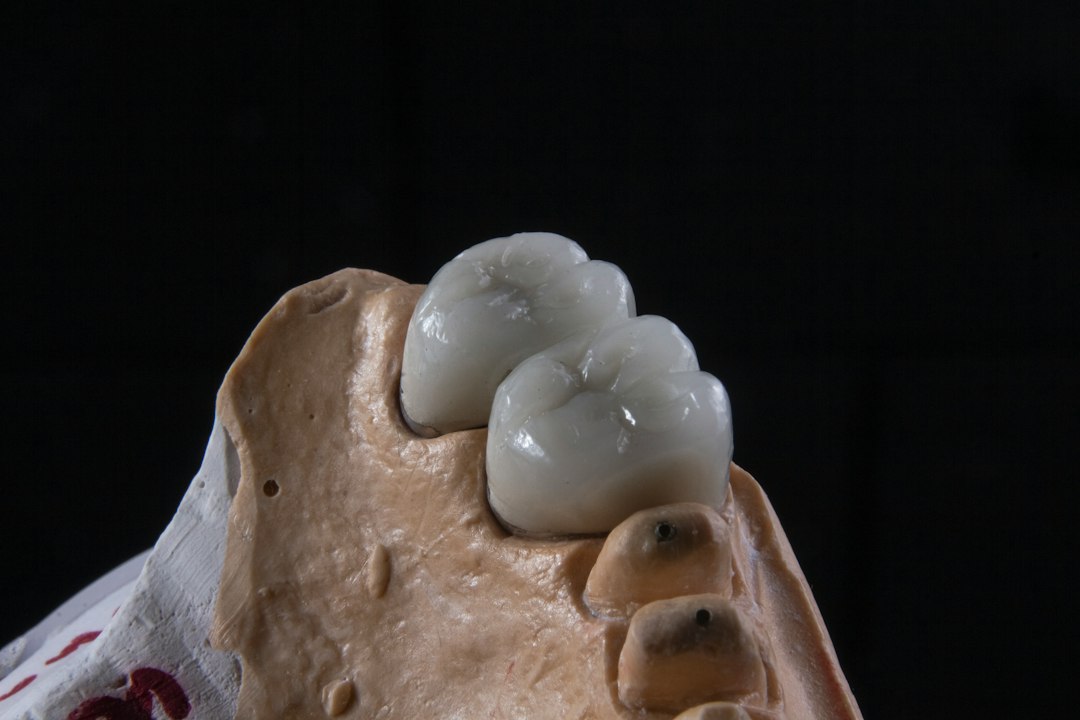
When budgeting for restorative treatment without dental insurance, it helps to understand how self-pay pricing works across the country. On average, a dental crown without insurance typically costs between $800 and $2,500 per tooth, depending on the material, the tooth's location, and your dental office's location. Restoring a tooth is a custom craft; a dental crown serves as an individual helmet designed specifically to shield a compromised tooth from chewing forces.
Nationally, the overall expense for a standalone crown can vary depending on several practical factors:
- Geographic area and overhead: Operating costs vary widely by region, which directly influences local dental service rates.
- Tooth position: Back teeth (molars) endure much greater chewing pressure than front teeth and often require sturdier materials and extra shaping time.
- Technological investment: Practices utilizing modern digital impressions, high-precision imaging, and advanced bonding materials invest heavily in clinical quality.
- Laboratory craftsmanship: Working with top-tier dental laboratories ensures restorations fit comfortably and match natural tooth shades seamlessly.
For a broader breakdown of out-of-pocket restoration expenses, reviewing our guide on dental crown cost can help you plan your family's oral health budget. You can also explore independent national dental cost benchmarks to see how standard rates compare across different areas.
How Much Does Tooth Crown Cost by Material?
The material chosen for your restoration plays a major role in determining both longevity and overall expense. Dentists balance strength, aesthetic blending, and bite position when recommending the right option.
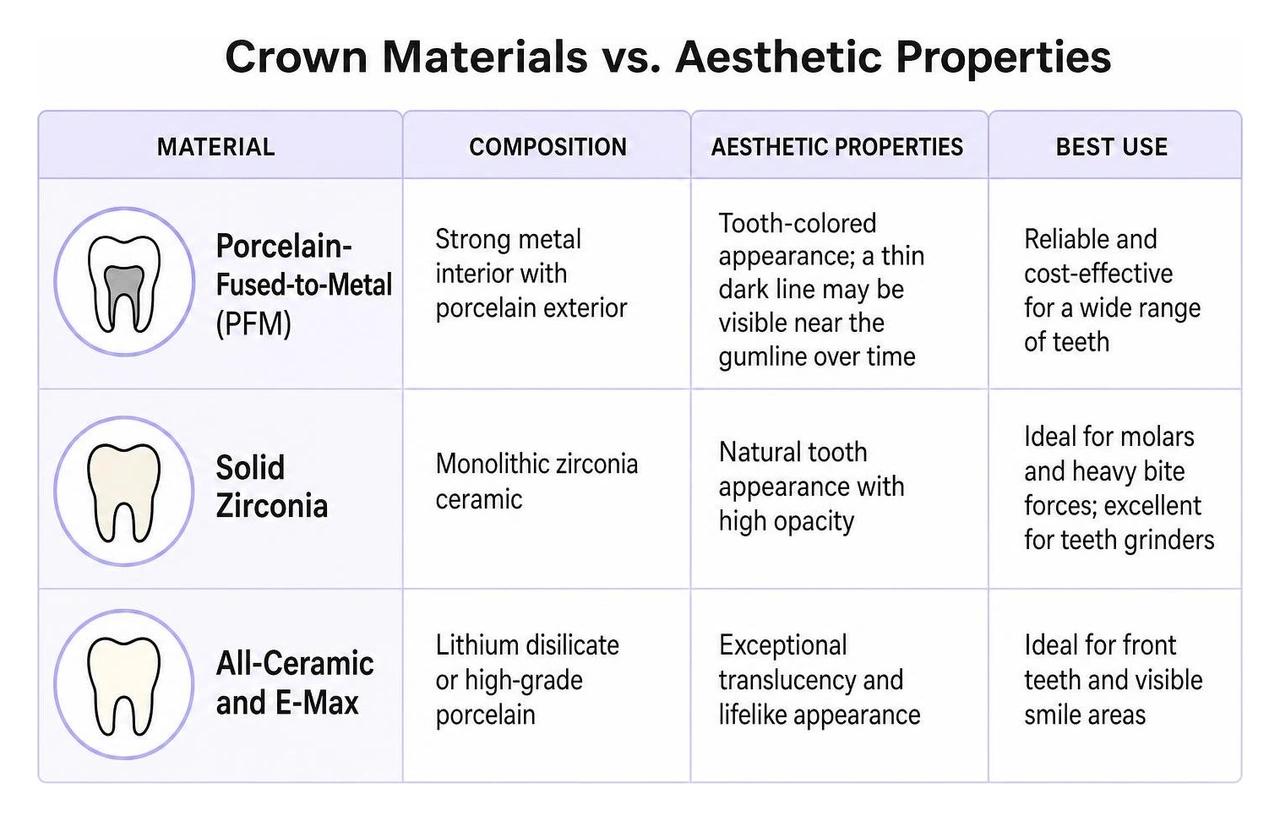
Here is how common restorative materials compare:
- Porcelain-Fused-to-Metal (PFM): A reliable classic combining a strong metal interior with a tooth-colored porcelain exterior. PFM restorations are durable and cost-effective, though a thin dark line can sometimes become visible near the gumline over time.
- Solid Zirconia: An exceptionally tough, biocompatible ceramic that resists heavy biting forces. Zirconia is an outstanding choice for molars, especially for individuals who tend to grind their teeth at night. Many patients choose solid zirconia restorations for long-lasting structural strength.
- All-Ceramic and E-Max: Made from lithium disilicate or high-grade porcelain, these restorations offer unmatched translucency and lifelike appearance, making them ideal for front teeth.
- Gold and High-Noble Metal Alloys: Highly gentle on opposing natural enamel, gold alloys resist chipping and cracking exceptionally well. While less common in visible smile zones, they remain a premier functional choice for back teeth.
- Stainless Steel: Primarily used in pediatric dentistry to protect primary baby teeth until they naturally fall out, offering a simple and economical temporary solution.
To explore the clinical pros and cons of each restoration type, take a look at our detailed overview of the different types of teeth crown.
Lab-Fabricated vs. Office-Based Restorations
Modern dentistry offers multiple ways to fabricate custom crowns. Traditional lab-fabricated restorations involve preparing the natural tooth, taking a precise impression, placing a temporary protective cap, and sending the mold to a specialized dental laboratory. After a couple of weeks, the permanent crown arrives for final bonding and bite adjustment.
In contrast, office-based CAD/CAM computer milling allows certain crowns to be designed, milled, and cemented in a single appointment. While equipment and technology costs are significant, same-day restorations save busy patients from wearing temporary caps or scheduling multiple visits. To understand how automated workflows influence treatment time, read more about digital milling options.
Insurance Coverage and Out-of-Pocket Expenses
Dental insurance helps offset the expense of restorative care, but dental benefit plans function quite differently from traditional medical insurance.
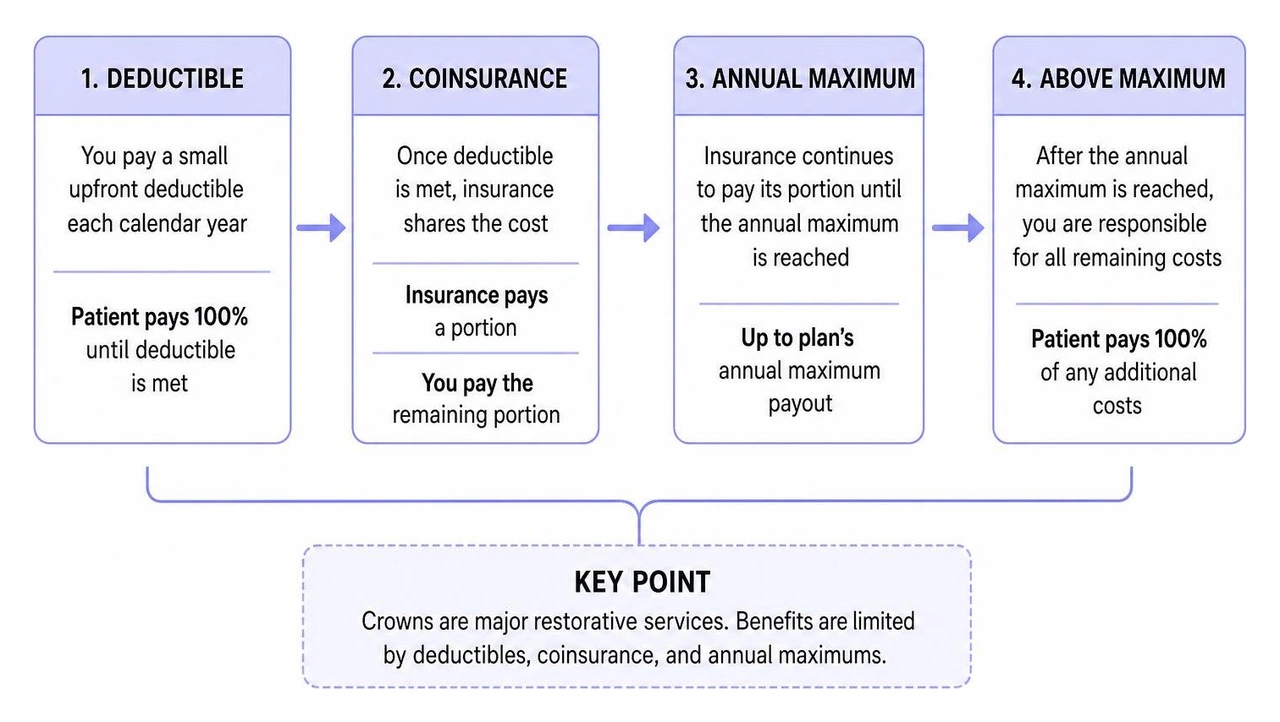
Dental policies typically categorize crowns as major restorative services. Key insurance concepts to keep in mind include:
- Annual Maximums: Most dental benefit plans cap total yearly coverage between a set dollar limit. Once your plan pays out that amount in a single calendar year, you become responsible for any remaining treatment costs.
- Coinsurance Percentages: For major restorative care, many standard plans cover a portion of the allowable fee—often around half—leaving the patient to cover the remaining percentage.
- Deductibles: A small upfront fee must be paid each calendar year before insurance benefits kick in for major services.
- Waiting Periods: Some individual policies require a waiting period of several months before covering major restorative treatments.
For additional perspectives on managing restorative expenses under private plans, you can review this GoodRx overview of dental restoration costs.
How Much Does Tooth Crown Cost With Dental Insurance?
When using dental insurance, your final out-of-pocket obligation depends on your remaining annual benefit balance, deductible status, and your policy's specific coinsurance percentage.
If your annual maximum is already partially used by earlier dental work during the year, your plan will only cover costs up to that remaining ceiling. For an in-depth look at how benefit schedules translate into out-of-pocket estimates, explore our guide on the cost of a crown with dental insurance.
Coverage Limitations, Deductibles, and Downgrade Clauses
Insurance policies often include specific fine print that influences what is reimbursed:
- Downgrade (Alternate Benefit) Clauses: If you select an all-ceramic or zirconia crown for a back molar, your insurer might calculate their payment based on the lower cost of a standard metal or PFM crown, leaving you responsible for the difference.
- Replacement Frequency Limits: Most policies will only pay to replace an existing crown on the same tooth once every five to eight years.
- Missing-Tooth Clauses: Some policies exclude coverage for replacing a tooth that was already missing before your insurance coverage took effect.
Additional Dental Procedures That Affect Total Treatment Fees
A dental crown is custom-made to fit over healthy, stable tooth structure. If a tooth is heavily decayed, fractured beneath the gumline, or infected, preparatory care is required before the final crown can be placed.
Root Canals and Tooth Buildup Requirements
When deep decay reaches the inner nerve pulp, an endodontic treatment is necessary to clean out infection and relieve discomfort. A root canal and a crown are separate treatments billed under different procedure codes:
- Root Canal Therapy: Cleans and seals the internal root canals of the infected tooth.
- Core Buildup: Replaces missing interior tooth volume with strong composite material so the crown has a solid foundation to anchor onto.
- Post and Core: If very little natural tooth remains above the gumline, a small supportive post is secured inside the root canal to help anchor the core buildup.
To see how preparatory care fits into comprehensive tooth-saving treatments, visit our overview of comprehensive restorative care.
Diagnostic Imaging and Preparatory Care
Before placing any restoration, your dental team must thoroughly examine the surrounding bone and root health. Preparatory diagnostic steps may include:
- Digital X-rays: Essential for checking root stability and identifying hidden decay between teeth.
- 3D Imaging (Cone-Beam CT): Used in complex structural cases to assess nerve pathways and bone contours.
- Crown Lengthening: A minor periodontal procedure that reshapes gum and bone tissue when a tooth has broken off close to the gumline, exposing enough sound tooth to securely hold a crown.
Practical Ways to Save on Quality Restorations
Preserving your natural smile should fit comfortably within your household budget. Planning ahead and exploring modern dental savings options can make restorative care far more manageable.
In-House Membership Plans and Cash Savings
For individuals and families without traditional dental insurance, employer-sponsored plans are no longer the only way to save. Many community dental offices provide in-house membership options that combine routine preventive visits with predictable percentage discounts on restorative procedures.
Our practice offers the Smile Protection Savings Plan, an in-house membership designed specifically for uninsured patients across Logan County. This plan provides direct savings on essential restorative treatments without waiting periods, claim denials, or annual maximum limits. Learn how our in-house dental membership plan helps keep quality dental care accessible.
Timing Treatment and Health Savings Accounts
A few strategic financial approaches can help reduce restorative costs:
- Health Savings Accounts (HSA) and Flexible Spending Accounts (FSA): Paying for restorative dentistry with pre-tax dollars effectively lowers the real cost of treatment.
- Calendar-Year Splitting: If a tooth requires multiple steps—such as a root canal and buildup followed by a crown—scheduling preparatory care in late autumn and crown cementation in January can allow you to utilize two separate annual insurance maximums.
- Early Intervention: Treating a cracked or deeply decayed tooth promptly prevents structural damage from spreading, avoiding costlier emergency extractions or root canals later.
Frequently Asked Questions About Dental Crowns
How long do dental crowns typically last?
A well-crafted crown generally lasts between 10 and 15 years, and many last 20 years or longer with excellent oral care. Longevity depends on maintaining daily brushing and flossing habits, scheduling routine dental cleanings, avoiding chewing on ice or hard objects, and wearing a protective nightguard if you clench or grind your teeth.
Is a crown always necessary after a root canal?
For back chewing teeth (molars and premolars), a crown is almost always recommended following a root canal. Removing the tooth pulp eliminates its internal blood supply, leaving the remaining enamel brittle over time. A full-coverage crown encases the tooth, shielding it against heavy bite forces and preventing fractures.
Are there affordable alternatives to a dental crown?
If a tooth has moderate structural damage, a composite filling or a laboratory-made onlay (often called a partial crown) may preserve healthy enamel while restoring function. However, when more than half of a tooth's natural structure is missing or weakened by large fractures, a full crown is the most reliable long-term solution to avoid tooth loss.
Conclusion
Restoring a weakened or damaged tooth with a custom dental crown is one of the most effective ways to preserve your natural smile for decades to come. Understanding the variables behind treatment planning—from material selections to insurance guidelines—ensures you can make confident, informed decisions for your oral health. For a comprehensive overview of restorative solutions and clinical steps, explore our complete guide to dental crowns cost.
At Logan Dental Care, we believe quality dental care starts with trust, transparency, and small-town warmth. Located at 1021 N. Main Street in Bellefontaine, Ohio, our family-focused practice proudly serves Bellefontaine and surrounding Logan County communities. We are an accredited member of the American Dental Association and the Ohio Dental Association, and hold an A+ BBB rating.
Our team provides comprehensive care for patients of all ages, including general and preventive dentistry, family dentistry, cosmetic dentistry (teeth whitening, veneers, and smile makeovers), orthodontics (Invisalign and traditional braces), restorative dentistry (implants, crowns, and bridges), emergency dental care (including same-day and outside standard business hours availability), nightguards/mouthguards, and our in-house Smile Protection Savings Plan for uninsured families. Please note that we do not offer payment plan options or sedation dentistry. If you or a family member have questions about restoring a damaged tooth, reach out to our welcoming team today to schedule your consultation!