
Retainer Reality: Finding the Best Upper and Lower Options
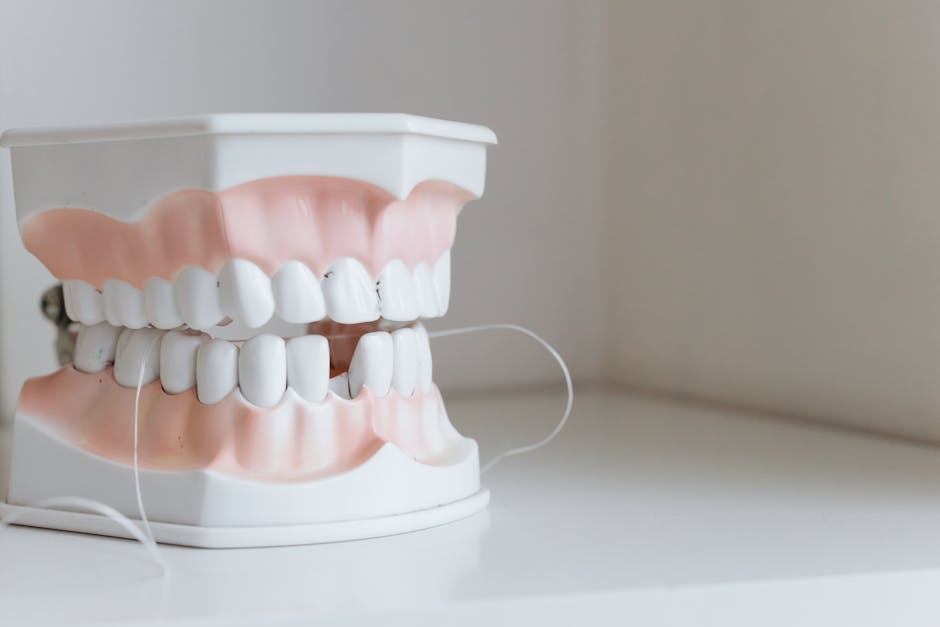
Why Your Smile's Future Depends on a Retainer
Upper and lower retainers are custom-made devices you wear after braces or clear aligners to keep your teeth from shifting back to their original positions. Here's what you need to know:
Types of Retainers:
- Hawley Retainers - Wire and acrylic design, adjustable and durable
- Clear Retainers (Essix) - Transparent plastic trays, nearly invisible
- Permanent Retainers - Bonded wire on the back of teeth, worn 24/7
Typical Costs:
- Permanent retainers: $150-$500 per arch
- Removable retainers: $250-$700+ per set
How Long to Wear:
- Full-time for 4-6 months after treatment
- Nightly wear for life to maintain results
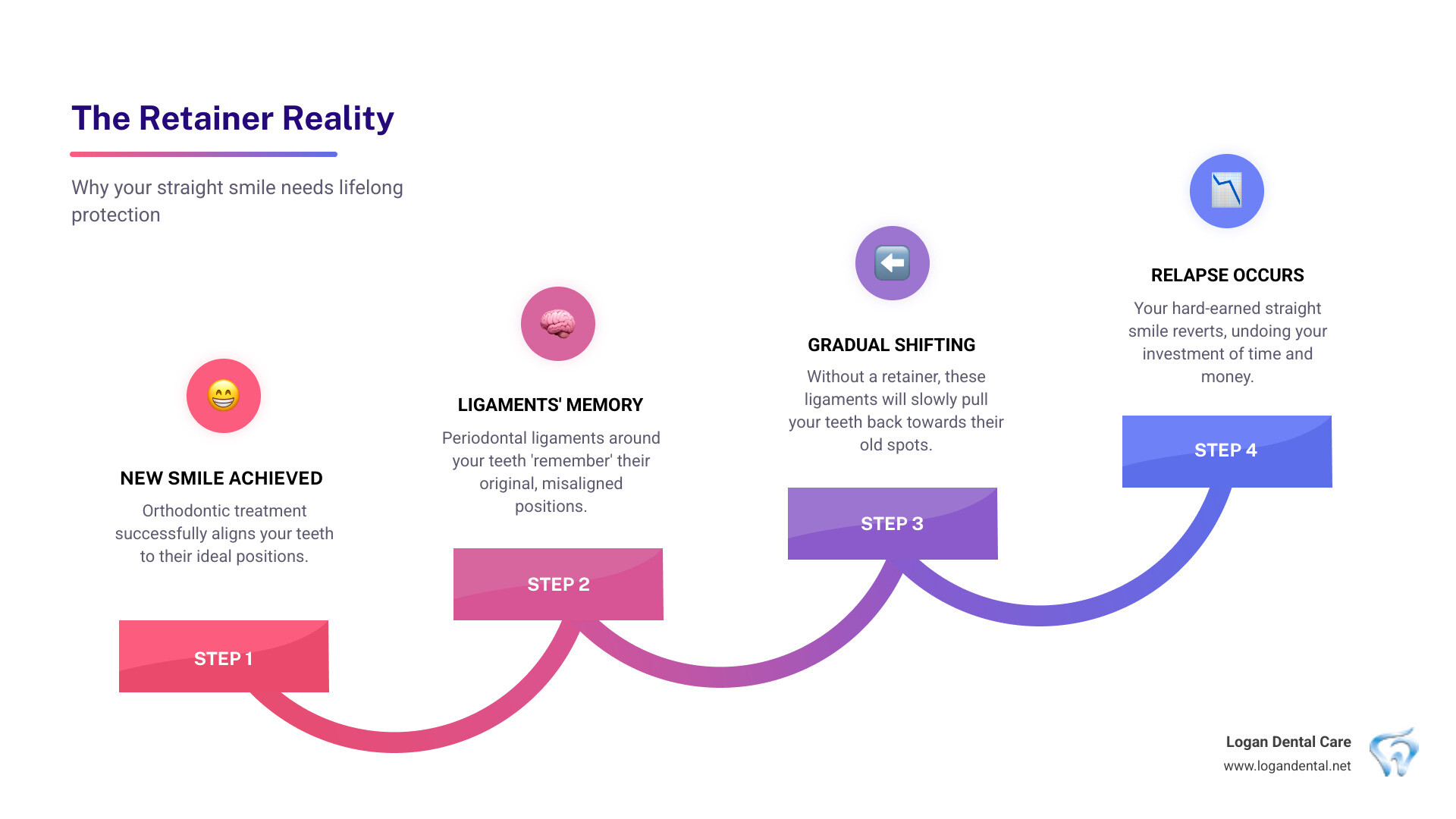
You just invested months or years straightening your teeth. But here's the hard truth: your teeth will shift without a retainer. It's not a matter of if, but when.
Your periodontal ligaments—the fibers holding teeth in place—have a memory. They want to pull your teeth back to where they started. Even after your orthodontic treatment ends, these tissues need time to reorganize and stabilize around your newly positioned teeth.
According to research, you'll need to wear retainers full-time for at least four to six months after treatment. After that, most orthodontists recommend nightly wear for the rest of your life. That might sound like forever, but it's the only way to protect the smile you worked so hard to achieve.
The good news? Today's retainers are more comfortable and less noticeable than ever. Whether you choose a traditional Hawley retainer, a clear Essix-style option, or a permanent bonded wire, the right retainer can preserve your results with minimal disruption to your daily life.
Your Guide to Upper and Lower Retainers: Types, Costs, and Care
Once your braces are off, the retention phase begins—and it's just as important as the treatment itself. Upper and lower retainers are your smile's best friend, acting as an anchor to hold your newly aligned teeth in place. Without them, your teeth will naturally drift back toward their original positions. Retainers give your gums, bones, and surrounding tissues the time they need to stabilize.
Let's walk through your options to find the perfect fit for your lifestyle.
Removable Retainers: Hawley vs. Clear (Essix-Style)
Removable retainers offer flexibility and easy cleaning. They come in two main styles: the traditional Hawley and the modern clear Essix retainer.
Hawley Retainers
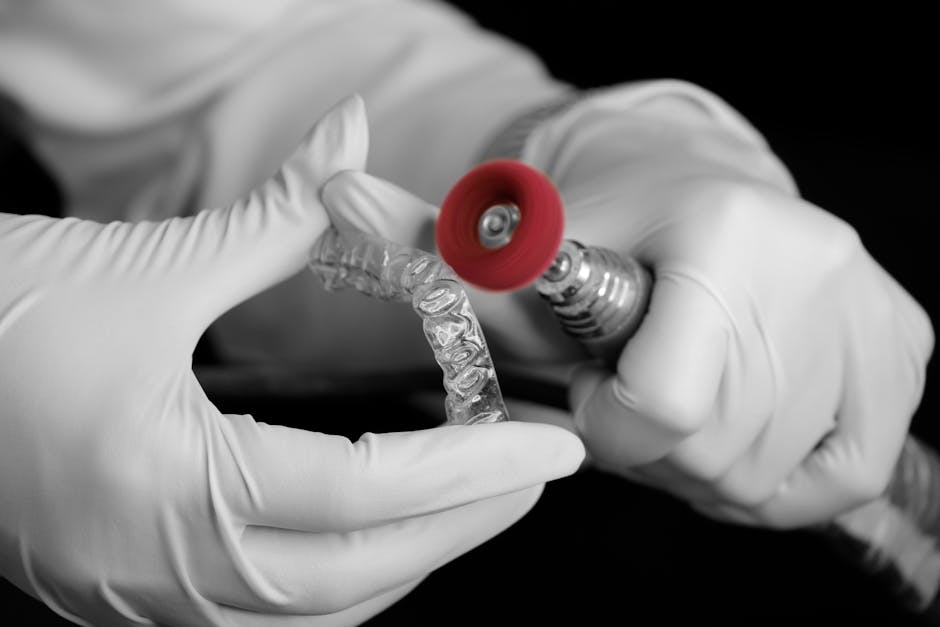
A classic since the 1920s, the Hawley retainer features a metal wire across the front teeth and an acrylic plate. Its main advantages are durability and adjustability; your orthodontist can make minor tweaks to the wire if needed, which can save you from needing a replacement. The downsides are its visibility and the potential for a temporary lisp or bulky feeling.
Clear Retainers (Essix-Style)
These transparent plastic trays are popular for their near-invisibility. Custom-molded to fit snugly over your teeth, they offer excellent aesthetics and comfort with minimal impact on speech. However, they are less durable than Hawley retainers, can stain, and may warp with heat. They also cannot be adjusted; a new retainer is needed if teeth shift. For a more durable option, Vivera retainers (from the makers of Invisalign) are 30% stronger and offer a more precise fit. If you're curious about clear aligner treatment in general, check out More info about Invisalign® Clear Aligners.
Permanent Retainers: The Set-It-and-Forget-It Option
If you prefer not to think about your retainer daily, a permanent one might be the answer. It works 24/7 without any effort on your part.

A permanent retainer is a thin wire bonded to the back of your front teeth (usually the lower ones). It's completely invisible from the front and has a high success rate at preventing relapse because you can't forget to wear it. With proper care, it can last for many years.
The main trade-off is that cleaning requires more effort. You'll need to use floss threaders or a water flosser to clean around the wire and prevent plaque buildup. The wire can also bend or break if you eat very hard foods, requiring a visit to your orthodontist for repair.
Scientific research on retainer effectiveness backs up the value of both permanent and removable retainers when used correctly. And if you're still deciding between treatment options, our guide on Braces vs. Invisalign®: Which Orthodontic Treatment is Right for You? can help you think through the whole journey, including retention.
Comparing Your Retainer Options
Choosing the right upper and lower retainers depends on your lifestyle. Each type has its own strengths, so let's lay them out side by side.
FeatureHawley RetainerClear (Essix-Style) RetainerPermanent (Fixed) RetainerAestheticsVisible metal wire across front teethNearly invisible; clear plasticInvisible, bonded to the back of teethDurabilityVery durable wire and acrylic; easily adjustableCan be prone to cracking/warping; Vivera is strongerVery durable wire; can break with hard foodsCleaning DifficultyEasy to remove and clean separatelyEasy to remove and clean separatelyMore challenging; requires special flossing techniquesTypical Cost (per arch)Included in treatment or $250-$450+ for replacementIncluded in treatment or $250-$450+ for replacementIncluded in treatment or $150-$500 for replacementPatient ComplianceRequires consistent daily wear; easy to loseRequires consistent daily wear; easy to loseAutomatic; no daily thought requiredAdjustabilityCan be adjusted by orthodontist for minor movementsNot adjustable; new retainer needed if teeth shiftNot adjustable; designed for static retentionSpeech ImpactPossible initial lisp; usually temporaryMinimal to noneMinimal to none; slight tongue irritation initiallyMaintenanceStore in case, clean dailyStore in case, clean daily, avoid heatMeticulous oral hygiene, regular checks for breakage
The "best" retainer really depends on you. Your orthodontist at Logan Dental Care in Bellefontaine, OH, will walk through these options with you and help you choose what makes the most sense for your unique situation.
The Fitting and Cost of Upper and Lower Retainers
The fitting process is simple. For removable retainers, we use a comfortable digital 3D scanner to create a precise model of your teeth—no goopy impressions needed. This model is sent to a lab, and your custom retainers are ready in a few weeks. Permanent retainers are often fitted and bonded to the back of your teeth in a single appointment.
Regarding cost, your first set is often included in your orthodontic package. For replacements, permanent retainers typically cost $150 to $500 per arch, while removable retainers range from $250 to $450+ per arch. A full set of upper and lower retainers could cost $500 to $900+. Check with your dental insurance about coverage for replacements. Our team in Bellefontaine is happy to help you understand your benefits and the costs outlined in our Orthodontic Treatment Cost guide.
Caring for Your Upper and Lower Retainers for Life
Proper care ensures your retainers last and your teeth stay straight. Consistent wear and maintenance are key to protecting your investment.
For removable retainers:
- Clean daily with a soft toothbrush and antibacterial soap (not toothpaste).
- Use retainer cleaning tablets for a deep clean as needed.
- Always store it in its case when not in use.
- Keep it away from heat (hot water, hot cars) to prevent warping.
For permanent retainers:
- Brush carefully around the wire twice a day.
- Floss daily using floss threaders or a water flosser to clean under the wire and prevent plaque buildup.
Wear Schedule & Maintenance:Follow your orthodontist's instructions, which typically involve full-time wear for the first 4-6 months, followed by nightly wear for life. Contact your orthodontist immediately if you notice cracks, a poor fit, or if a permanent retainer breaks. Neglecting wear or cleaning can lead to dental relapse, cavities, and gum disease, potentially requiring more orthodontic treatment. For more insights, see our Orthodontics 101: A Comprehensive Guide to Straightening Your Smile.
Secure Your Smile's Future
You've invested time and effort into your smile; now it's time to protect it. The retention phase is critical, and your upper and lower retainers are the key to locking in your results for good. Consistent wear is the only thing standing between your beautifully aligned teeth and the natural forces that cause relapse.
Here at Logan Dental Care in Bellefontaine, OH, we treat our patients like family. We combine a small-town, friendly atmosphere with the latest dental technology to create a personalized retention plan that fits your lifestyle. Whether you prefer a Hawley, clear, or permanent retainer, our team will guide you to the best choice for your needs.
Don't let your hard-earned smile slip away. If you have questions about upper and lower retainers or are ready to discuss your orthodontic options, we're here to help.
Schedule an Orthodontic Consultation with Logan Dental Care today to keep your smile straight and healthy for life. Your future smile is counting on it!