
5 Amazing Resources for Dental Emergency Near Me
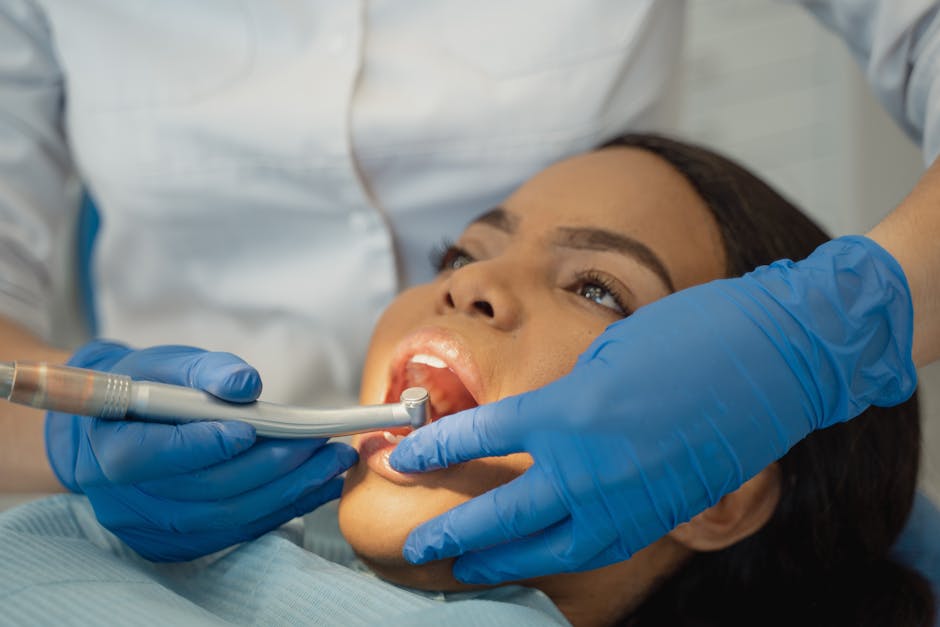
Why You Need to Know What to Do in a Dental Emergency
Searches for a dental emergency near me spike when severe tooth pain or an injury strikes. Knowing what to do can save your tooth and prevent complications. If you're in a crisis, act fast.
Quick Steps for Common Dental Emergencies:
- Severe Toothache: Rinse with warm water and apply a cold compress to your cheek.
- Knocked-Out Tooth: Keep the tooth moist (in milk or saliva) and see a dentist within one hour.
- Broken Tooth: Save any pieces, rinse your mouth, and apply a cold compress.
- Bleeding: Apply firm pressure with sterile gauze.
- Abscess/Swelling: Rinse with warm salt water and call your dentist immediately.
When to go to the ER: Go for uncontrolled bleeding, a suspected jaw fracture, or severe swelling that affects breathing. For all other issues like tooth pain, broken teeth, or abscesses, call your dentist.
Time is critical. A knocked-out tooth has the best chance of survival if treated within an hour, and an abscess requires immediate attention to stop the infection from spreading. Most dental offices, including Logan Dental Care, offer same-day emergency appointments because prompt care leads to better outcomes and less complex treatment.

Your Guide to Finding a Dental Emergency Near Me
When a dental crisis strikes, your first thought is likely, "Where can I find a dental emergency near me?" At Logan Dental Care in Bellefontaine, OH, we understand this urgency. This guide covers what qualifies as an emergency, first-aid steps, how to find us, and what to expect. Our goal is to provide prompt, compassionate care, treating you like family.
What Constitutes a Dental Emergency? (Resource #1)
A dental emergency involves sudden, severe symptoms that require immediate professional attention to alleviate pain and prevent further damage. Here are the most common emergencies we treat:
- Severe Toothache: A persistent, throbbing pain often signals a deep cavity, infection, or abscess. Don't ignore it. Learn more about Tooth Pain.
- Knocked-Out (Avulsed) Tooth: This is extremely time-sensitive. The tooth has the best chance of being saved if reimplanted by a dentist within an hour.
- Lost Filling or Crown: This leaves the tooth exposed and vulnerable to damage and bacteria. It needs to be addressed promptly.
- Broken or Chipped Tooth: A fracture is an emergency if it causes severe pain or has sharp edges. Even a painless chip should be assessed to protect the tooth's inner layers.
- Dental Abscess: This is a serious infection at the tooth's root, causing pain, swelling, and sometimes fever. An abscess is always an emergency as the infection can spread.
- Persistent Bleeding: Uncontrolled bleeding from the mouth after an injury requires urgent care.
- Facial or Gum Swelling: Significant or rapidly increasing swelling can indicate a serious infection that needs immediate evaluation.
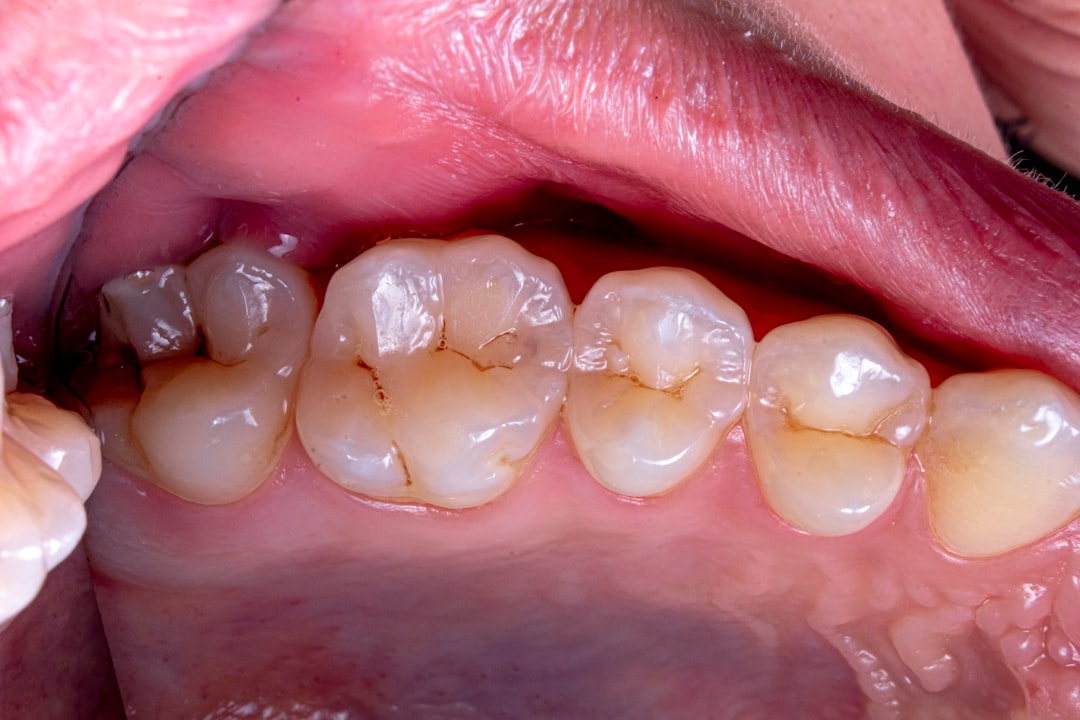
If you're unsure, call us. It's always better to be safe, as dental problems often worsen without treatment. Our team at Logan Dental Care is ready to help. Find out more in our guide on Handling Dental Emergencies, Your Guide to Urgent Oral Care. You can also review general emergency guidance from the American Dental Association.
Immediate First-Aid Steps for Common Dental Issues (Resource #2)
While waiting for your appointment, these temporary first-aid steps can help manage the situation.
- For Pain and Swelling:
- Apply a cold compress to the outside of your cheek for 10-20 minutes at a time.
- Take over-the-counter pain relievers like ibuprofen or acetaminophen as directed.
- Rinse with warm salt water (1/2 tsp salt in 8 oz water) to clean the area and reduce inflammation.
- Do not place aspirin directly on gums, as it can cause a chemical burn.
- For Bleeding:
- Apply firm, gentle pressure with a clean piece of gauze for at least 10 minutes.
- For a Knocked-Out Tooth:
- Handle the tooth only by the crown (chewing surface).
- If dirty, rinse it gently with water for no more than 10 seconds. Do not scrub.
- Try to gently reinsert it into the socket and hold it in place by biting on gauze.
- If you can't reinsert it, keep it moist in a small container of milk or saliva. Do not use water.
- Contact us immediately. Time is critical for saving the tooth. You can find more information on handling emergencies from the American Dental Association.
- For a Broken Tooth or Lost Restoration:
- Rinse your mouth with warm water.
- Save any broken pieces or the crown.
- You can try to temporarily re-seat a crown with dental adhesive or sugar-free gum to protect the tooth.
These are temporary measures. Contact Logan Dental Care as soon as possible for definitive treatment. For more tips, see our articles on How to Get Rid of a Toothache Fast and Toothache Pain Relief.
How to Find an Emergency Dentist Near Me (Resource #3)
When you need a dental emergency near me in Bellefontaine or Logan County, we make it simple.
- Call Your Dentist First: If you're a patient of Logan Dental Care, call our office. We prioritize emergencies and aim for same-day or next-day appointments. Even if you're not sure it's an emergency, call us.
- Use Our Website: LoganDental.net has our contact information and details on our emergency services. A phone call is the fastest way to get help.
- Information to Have Ready: When you call, please provide:
- Your name and contact information.
- A clear description of the emergency (what, where, how severe).
- When the problem started.
- Any relevant medical conditions or medications.
- Your dental insurance information, if applicable.
We keep space in our schedule for emergencies because delaying treatment can lead to more serious issues. We want to get you out of pain quickly. Learn more at Dental Clinics Near Me at Logan Dental Care.
ER vs. Dentist: When to Seek Emergency Medical Care (Resource #4)
Knowing whether to go to the ER or the dentist can save you time and money. While ERs can manage life-threatening conditions, they are not equipped for specific dental treatments.
Go to the Emergency Room (ER) for:
- Uncontrolled Bleeding: Severe bleeding from the mouth that doesn't stop with pressure.
- Jaw Fracture or Dislocation: A suspected broken or dislocated jaw from a significant injury.
- Difficulty Breathing or Swallowing: Swelling from an infection that is obstructing your airway.
- Severe Facial Swelling: Swelling that is rapidly spreading to your eye or neck.
- Major Head or Facial Trauma: A dental injury that is part of a larger accident.
Go to the Dentist (Logan Dental Care) for:
- Severe Toothache
- Dental Abscess
- Knocked-Out Tooth
- Broken or Chipped Tooth
- Lost Filling or Crown
- Soft Tissue Injuries (cuts to gums, cheeks, or tongue)
At Logan Dental Care, our goal is to get you out of pain, diagnose the problem, and provide immediate solutions, whether that's treatment, medication, or a referral. For more on our services, visit our Dental Emergency Care at Logan Dental Care page.
Understanding Emergency Costs, Services, and Prevention (Resource #5)
Concerns about cost shouldn't prevent you from seeking care. Here is what to expect.
Emergency Dental Services:Our first priority is pain relief and stabilizing your condition. Services may include:
- Diagnosis: Exam and X-rays to find the cause.
- Pain and Infection Control: Local anesthetics, antibiotics, or other medications.
- Restorations: Fillings or bonding for chips and fractures.
- Tooth Extraction: For teeth that are too damaged or infected to be saved.
- Root Canal Treatment: To save an infected tooth by removing the damaged pulp.
- Temporary Restorations: To protect a tooth until a permanent crown can be placed.
Emergency Care Costs:Costs vary based on the required treatment. Most dental insurance plans provide some coverage for emergency services, often covering 50-80% of major procedures. At Logan Dental Care, we are transparent about pricing and will discuss costs with you beforehand. If you don't have insurance, we offer affordable options and payment plans. We never want cost to be a barrier to care. Learn more at Emergency Dental Services with or without Insurance at Logan Dental Care.
How to Prevent Dental Emergencies:Many emergencies can be avoided with proactive care.
- Regular Dental Check-ups: Visit us every six months to catch problems early.
- Good Oral Hygiene: Brush twice daily, floss daily, and use mouthwash.
- Be Mindful of Your Diet: Avoid chewing on hard items like ice or popcorn kernels.
- Wear a Mouthguard: Protect your teeth during contact sports or if you grind your teeth at night.
- Don't Use Teeth as Tools: Avoid opening packages or bottles with your teeth.
Following these tips can reduce your risk, but if an emergency happens, our Emergency Dental Services are here for you.
Your Next Steps for Emergency Dental Care
We know a dental emergency is frightening. The most important thing is to act quickly and seek professional help. Delaying treatment can lead to more complex problems, increased pain, and higher costs. Even if you're unsure if it's a true emergency, it's always best to contact us for advice.
At Logan Dental Care in Bellefontaine, OH, we combine a small-town feel with the latest technology, treating our patients like family. This is especially true for those in urgent need.
If you are experiencing a dental issue and searching for a dental emergency near me in Bellefontaine or Logan County, don't hesitate. Contact us immediately so we can help you feel better.
- Call Us Now: Our team is ready to listen and guide you on your next steps.
- Request an Appointment: Use our online form for non-urgent inquiries.
- Learn More: Visit our Emergency Dental Services page for more information.
We are here for you, ready to provide expert care when you need it most.