
The Definitive Guide to Comparing Dental Crown Costs

Understanding Crown Cost Before You Choose Treatment
A dental crown is a custom cover that restores a weak, cracked, heavily filled, or discolored tooth. Crown cost depends on the material, the tooth being treated, your location, insurance benefits, and whether the tooth needs work first, such as a filling buildup or root canal.
Before you move forward, ask for an itemized treatment estimate. It should clearly show:
- The crown material and whether it is lab-made or same-day
- Any needed X-rays, tooth buildup, post, root canal, or temporary crown
- Your estimated insurance payment and your share of the cost
- Whether a lower-cost material is appropriate for that tooth
A crown can protect your natural tooth and improve how it looks and feels, but the lowest initial quote is not always the best value. A strong back tooth may need a different solution than a visible front tooth, and a clear plan helps you compare options with confidence.
At Logan Dental Care, our family-focused team in Bellefontaine is here to explain your restorative options in plain language and help you make a decision that works for your smile and budget.
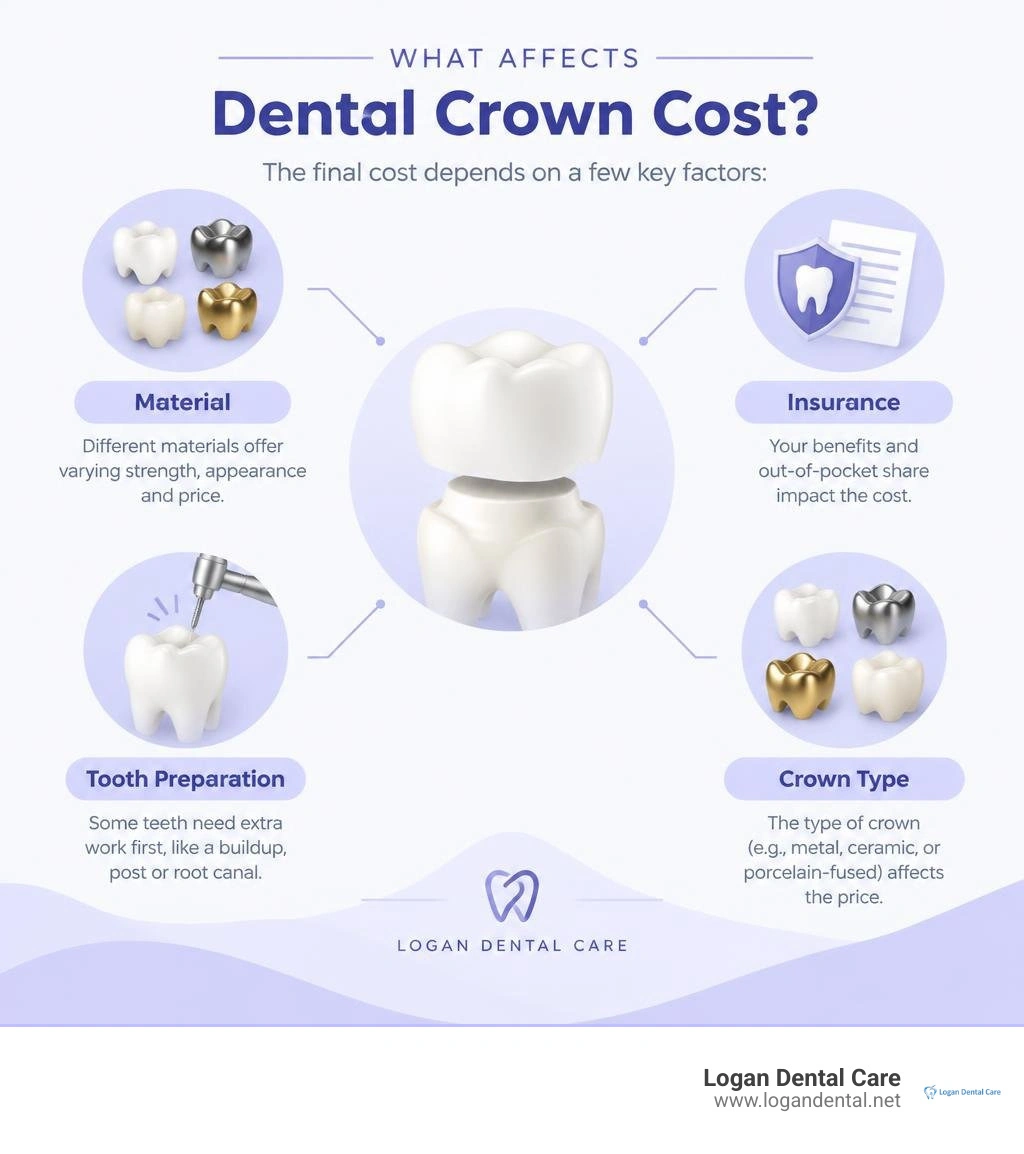
What Determines Dental Crown Cost by Material and Type?

When your dentist recommends a crown, one of the first decisions you will make together is selecting the right material. Every smile is unique, and the material chosen directly affects how natural the tooth looks, how well it withstands chewing, and the final price of the restoration. When reviewing national dental cost benchmarks, you will notice that different materials require different manufacturing processes and laboratory expertise.
Porcelain, Ceramic, and Zirconia Options
Tooth-colored restorations are designed to blend seamlessly with your natural teeth:
- Porcelain-Fused-to-Metal (PFM): PFM crowns combine the inner strength of a metal substructure with an outer layer of tooth-colored porcelain. They have been a reliable standard for decades, though the underlying metal can sometimes appear as a faint dark line near the gumline over time.
- All-Ceramic and E-max (Lithium Disilicate): These restorations provide lifelike translucency and cosmetic blending. They are frequently chosen for front teeth where natural appearance is the top priority.
- Zirconia: Made from a biocompatible ceramic material, solid zirconia offers exceptional flexural strength while matching the color of natural enamel. It resists chipping and cracking, making it an excellent choice for both front and back teeth.
Gold, Base Metal, and Pediatric Stainless Steel
While tooth-colored options are popular, metal restorations offer distinct mechanical benefits:
- Gold and Base Metal Alloys: Metal crowns are gentle on opposing teeth, require minimal natural tooth removal during preparation, and virtually never chip. They are particularly well-suited for back molars that endure heavy chewing pressure or for individuals who grind their teeth (bruxism).
- Stainless Steel Crowns: Prefabricated stainless steel crowns are primarily used in pediatric dentistry to protect primary baby teeth until they naturally fall out, providing durable coverage at a lower overall price point.
Same-Day CEREC vs. Traditional Lab Crowns
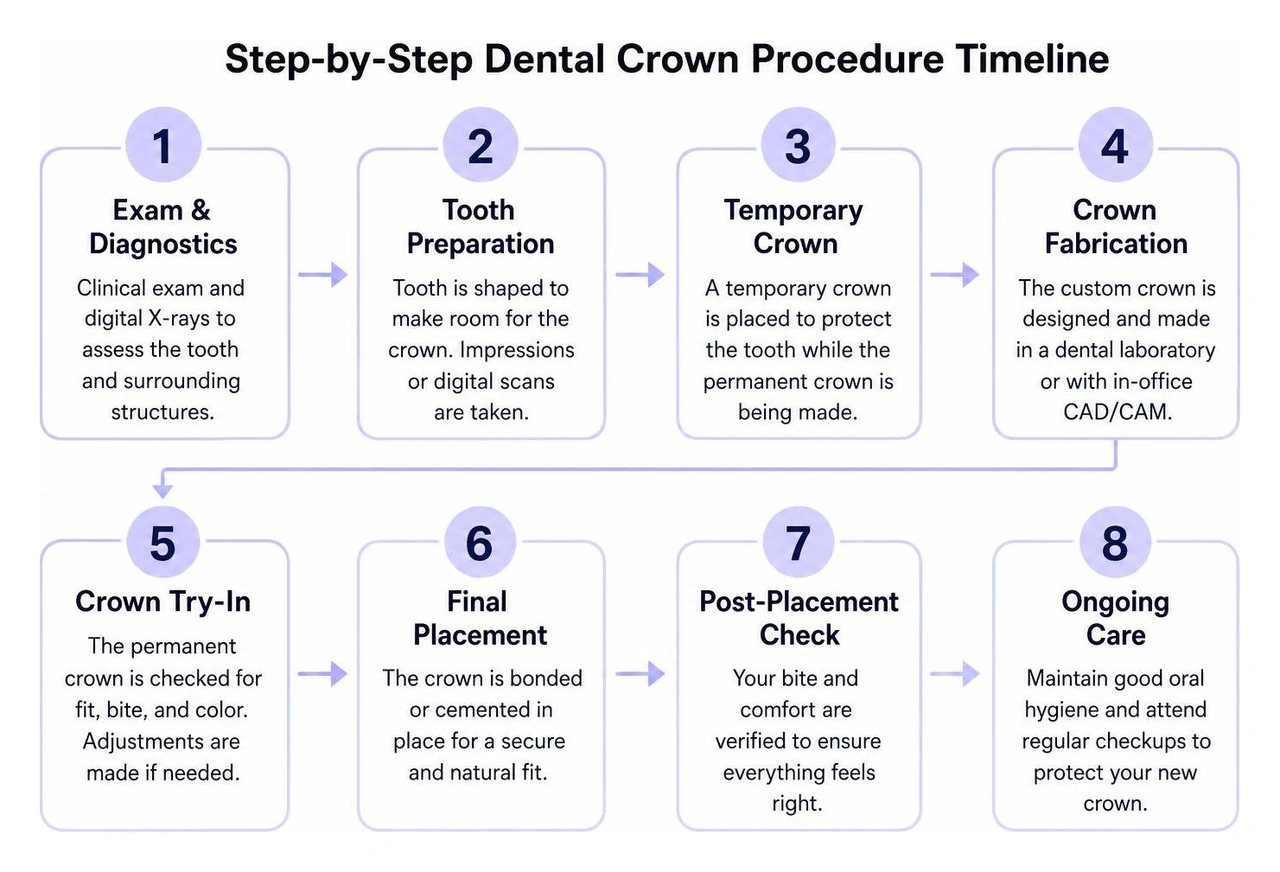
Traditional crowns generally require two visits: the first to prepare the tooth, take an impression, and place a temporary crown, and the second to seat the permanent crown after it returns from an off-site laboratory.
In contrast, same-day systems use computer-aided design and milling (CAD/CAM) to measure, design, and mill a custom ceramic restoration right in the dental office. This allows the preparation and permanent placement to occur during a single appointment, eliminating the need for a temporary crown and a follow-up visit.
Hidden Procedures and Fee Stacks That Impact the Total Price
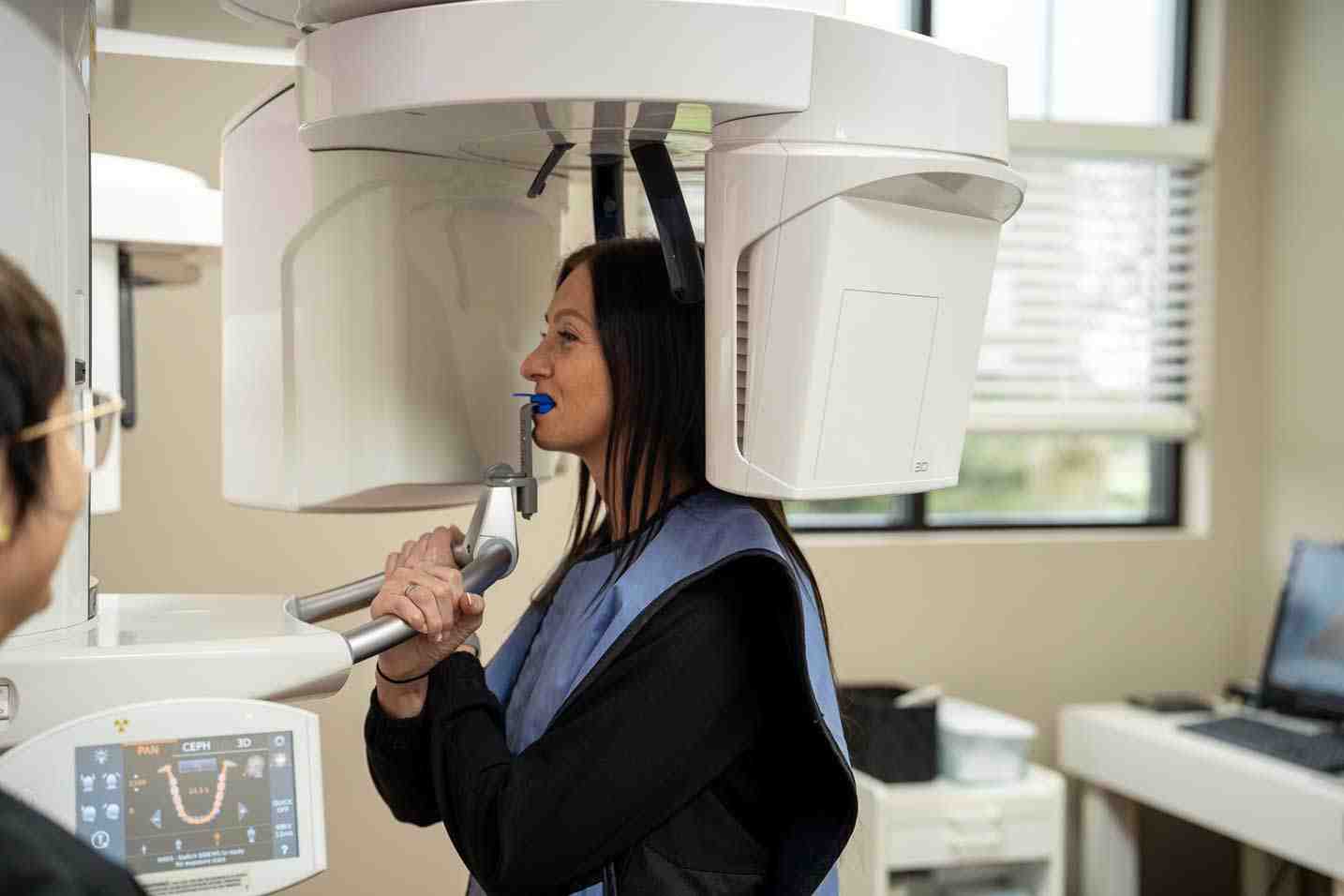
The total amount you pay for restorative care rarely consists of the crown fee alone. Dentists often speak of a "treatment stack," which refers to the series of clinical steps required to properly diagnose, prepare, and stabilize a tooth before the final restoration is placed. Utilizing tools like interactive crown cost calculators can help you visualize how these preparatory steps fit into your overall estimate.
Diagnostic Imaging, Core Buildups, and Root Canals
Depending on the health of your natural tooth, several preliminary procedures may be necessary:
- Diagnostic Exams and Digital X-rays: Imaging allows your dental team to assess the underlying root structure, surrounding bone levels, and extent of internal decay.
- Core Buildup: If a significant portion of the natural tooth is missing due to decay or fractures, a composite material is used to rebuild the core structure so the crown has a stable foundation to grip.
- Post and Core: When a tooth has undergone root canal therapy and lacks sufficient internal structure, a small post is placed inside the treated root canal space to anchor the buildup material.
- Root Canal Therapy: If decay or trauma has reached the inner dental pulp, a root canal removes the inflamed tissue to eliminate infection before the tooth is permanently sealed with a crown.
- Crown Lengthening: If a fracture or deep cavity extends beneath the gumline, minor recontouring of the gum tissue and bone may be required to expose enough healthy tooth structure to support the crown.
Geographic and Regional Price Variations
Restorative pricing also reflects the cost of living, regional overhead, facility expenses, and laboratory partnerships. Consulting a comprehensive guide on dental crown expenses illustrates that practices in high-cost metropolitan areas generally carry higher overhead expenses than practices located in community-centered, suburban, or rural areas.
Navigating Insurance Coverage, Medicaid, and Out-of-Pocket Expenses
Dental benefit plans typically categorize crowns as a "major restorative" service. When reviewing your treatment plan, you will see specific Current Dental Terminology (CDT) codes that correspond to the exact services provided:
- D2740: Crown – porcelain/ceramic
- D2750: Crown – porcelain fused to high noble metal
- D2790: Crown – full cast high noble metal
- D2950: Core buildup, including any pins when required
- D2954: Prefabricated post and core in addition to crown
Estimating Dental Crown Cost With Insurance and Policy Clauses
While dental plans often contribute toward major restorative treatments after you meet your deductible, several policy rules can affect your total out-of-pocket balance:
- Annual Maximums: Most policies cap their total annual contributions for all dental care. Once this limit is reached, any remaining expenses become the patient's responsibility.
- Waiting Periods: New policies may require an active enrollment period before major restorative benefits activate.
- Downgrade Clauses (Alternate Benefits): Some policies only cover the cost of a basic metal crown on posterior molars. If you select an all-ceramic or zirconia crown for a back tooth, the insurer may pay the lesser metal rate, leaving you to cover the difference.
- Missing-Tooth Clauses: If a tooth was lost before your insurance coverage began, the policy may not cover a replacement restoration for that space.
- Replacement Frequency Limits: Insurers generally limit crown replacements on the same tooth to once every five to eight years. Requesting a pre-treatment estimate ensures you understand your benefits prior to scheduling.
Managing Uninsured Crown Cost and Payment Strategies
If you do not have traditional dental insurance, several strategies can help make treatment manageable:
- In-House Membership Plans: Many private practices offer wellness memberships that provide preventive care and flat discounts on major restorative procedures without waiting periods or maximums.
- Tax-Advantaged Accounts: Utilizing pre-tax funds from a Health Savings Account (HSA) or Flexible Spending Account (FSA) lowers your effective out-of-pocket expense.
- Phased Treatment Planning: If you require multiple restorations, your dentist can help prioritize urgent teeth first or strategically schedule treatments across benefit renewal periods.
State Medicaid Reimbursements and Limitations
Medicaid coverage for adult dental restorations varies significantly depending on state policies and budget allocations. In many states, adult Medicaid benefits are restricted to emergency extractions and basic preventive care, with limited coverage for permanent crowns unless deemed an acute medical necessity. When covered, state Medicaid programs reimburse providers using preset fee schedules that are distinct from standard private insurance allowances.
Material Lifespan, Replacement Timing, and Long-Term Value
A dental crown is an investment in your oral health, and its true value is measured by its durability over time. When maintained with good daily brushing, flossing, and routine cleanings, high-quality restorations can provide comfortable service for a decade or longer.
Expected Longevity Across Crown Materials
- Cast Gold: Gold restorations boast the longest track record, often remaining fully functional for several decades due to their excellent fit and wear resistance.
- Zirconia: Highly resistant to fracture, modern zirconia crowns offer exceptional long-term survival in high-pressure molar regions.
- Porcelain-Fused-to-Metal: PFM crowns provide reliable service for many years, though the outer porcelain layer may occasionally experience minor cosmetic chipping under heavy bite forces.
- All-Ceramic / Lithium Disilicate: These restorations maintain outstanding cosmetic stability and strong bonding integrity, particularly on front teeth and premolars.
When to Repair, Re-cement, or Replace a Crown
Crowns can occasionally experience complications over time. If a crown becomes loose because the underlying dental cement has washed out—but the tooth underneath remains healthy and decay-free—your dentist can often clean and re-cement the existing restoration.
However, a crown must be replaced if new decay develops along the margin where the crown meets the natural tooth, if the underlying tooth fractures, or if the porcelain fractures in a way that interferes with your bite.
Frequently Asked Questions About Dental Crowns
Why do crowns on back molars cost more than front teeth?
Back molars endure heavy chewing forces and present tighter working spaces in the mouth. Restoring a molar often requires higher-strength materials like solid zirconia or high-noble metals, as well as additional core buildup support to ensure a stable foundation.
Does dental insurance downgrade coverage for porcelain crowns?
Yes, some insurance policies include an "alternate benefit" clause. For back teeth, the plan may only reimburse the fee for a basic metal restoration, leaving the patient responsible for the difference if they choose a tooth-colored ceramic or zirconia crown.
Is a same-day crown more expensive than a lab-made crown?
The overall fee for a same-day CAD/CAM crown is typically comparable to a traditional lab-fabricated crown. The primary difference lies in convenience, as same-day technology eliminates the need for temporary restorations and multiple appointments.
Conclusion
Understanding the factors that influence your restorative care helps you make informed choices for your smile's health and appearance. Transparent estimates, clear discussions about material options, and a focus on long-term value ensure you receive care tailored to your specific needs. For more details on restorative treatments, explore our comprehensive dental crown cost guide.
Logan Dental Care is a family-focused dental practice located at 1021 N. Main Street in Bellefontaine, Ohio, proudly serving Bellefontaine and surrounding Logan County communities. We are an accredited member of the American Dental Association and the Ohio Dental Association, and hold an A+ BBB rating.
Our team provides a full range of comfortable services, including general and preventive dentistry, family dentistry, cosmetic dentistry (teeth whitening, veneers, smile makeovers), orthodontics (Invisalign and traditional braces), restorative dentistry (implants, crowns, bridges), emergency dental care (including same-day and outside standard business hours availability), our in-house Smile Protection Savings Plan for uninsured patients, and custom nightguards/mouthguards. Please note that Logan Dental Care does not offer payment plan options and does not offer sedation dentistry. We welcome you to contact our team today to schedule your consultation!